

 Over 25,000 cars purchased nationwide

If your car will not start, has a major mechanical failure, or no longer makes sense to repair, you can still explore selling it as-is. To get started, have the year, make, model, ZIP code, and contact information ready. Be prepared to explain the mileage, title status, whether the car starts or moves, and any known diagnosis.
What Is a Broken Car Worth in Maryland?
A broken car can still have value even when it cannot be driven. An evaluation may consider year, make, model, mileage, overall condition, title status, usable components, type of failure, and location. Accurate condition details help explain what remains usable and what may need repair.

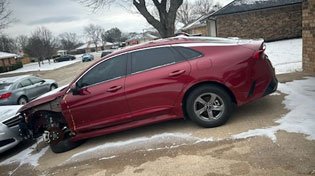
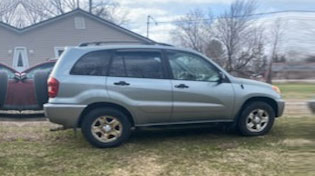
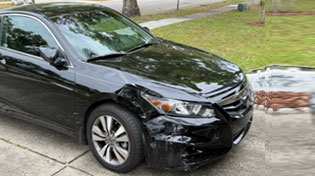
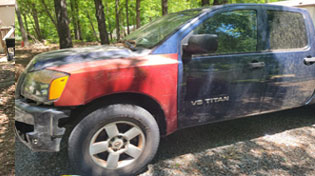
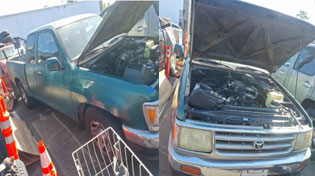

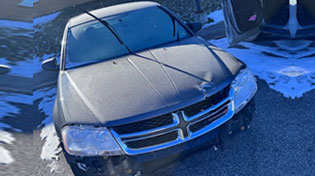
Broken and Non-Running Cars We Consider
Relevant conditions include no-start vehicles, engine or transmission failure, repeated overheating, electrical faults, steering or suspension issues, and cars that start but cannot be driven reliably. If collision, flood, fire, hail, or structural damage is the main problem, the damaged-car service may be a better fit.
Before requesting an offer, note whether the engine cranks, the vehicle rolls, steers, and brakes, whether keys are available, and whether major parts are missing. Explain where the vehicle is stored and any access restrictions. If you accept an offer, confirm the payment method and timing, required ownership documents, and pickup terms before handoff.

What Documents Do I Need to Sell a Broken Car in Maryland?
If your Maryland title is lost, stolen, damaged, or unreadable, the Maryland Motor Vehicle Administration duplicate-title process may apply. Depending on the situation, you may need Form VR-018, valid identification, the applicable fee, and proof of lien release if a lien was previously recorded. If a lien is still listed, the lienholder may need to be involved before a duplicate title can be issued.
A recorded lien is different from a missing title. Confirm payoff or lien-release requirements before ownership transfers rather than assuming a replacement title resolves the lender’s interest.
Maryland says license plates stay with the seller. Remove them before handoff, and return them when you no longer need them unless you are transferring them to another vehicle you own. Keep insurance active until you receive confirmation that the plates have been returned or cancelled, and keep the receipt.
Pickup for a Broken or Non-Running Car in Maryland
If pickup is part of an accepted offer, explain whether the car rolls, steers, and brakes and whether it is at a residence, repair shop, storage lot, gated property, or another restricted location. Confirm pickup availability and scheduling for the specific vehicle and location.
Maryland Location and Access Details
Provide the exact ZIP code and explain anything that could affect release or access. A repair shop or storage facility may have its own rules or charges, while a blocked-in or keyless vehicle may require different planning.
✓ Describe the failure clearly. Specific symptoms or a known diagnosis are more useful than simply saying the car does not run.
✓ Gather ownership documents early. Address a missing title or recorded lien before transfer when required.
✓ Explain access in advance. Mention gates, facility rules, missing keys, or blocked-in parking.
If the vehicle is primarily end-of-life or scrap-oriented, see the Maryland junk-car service. If accident or weather damage is the main issue, the damaged-car service may be more relevant.
Ready to Request an Offer for Your Broken Car?
If another major repair no longer makes sense, request an offer based on the vehicle’s current condition. Compare it with the repair estimate, uncertainty of additional problems, and likely value after repair. Before transfer, confirm the accepted offer, payment arrangements, ownership requirements, and pickup terms.
Frequently Asked Questions About Selling a Broken Car in Maryland
These answers cover practical situations that can affect a Maryland sale.
What records should I keep after selling a vehicle in Maryland?
Keep proof of the sale, including copies of the completed title and any bill of sale used for the transaction. Maryland also recommends keeping your plate-return receipt. These records can help if questions arise after the vehicle changes hands.
Do I need a mechanic to diagnose the problem first?
Not necessarily. Share symptoms, warning lights, recent repair history, or any diagnosis you already have. Do not guess at an unconfirmed failure.
Can the vehicle be picked up from a repair shop or storage lot?
That depends on the facility and the accepted pickup arrangement. Confirm release rules, outstanding charges, access requirements, and whether you must be present before arranging handoff.
What if I lost my Maryland title?
The MVA provides a duplicate-title process for eligible situations. Review the current requirements and address any recorded lien before assuming a replacement can be issued.
Can I sell a broken car with an active lien?
A recorded lender interest cannot simply be ignored. Confirm the payoff and lien-release requirements before ownership transfers.
Is a salvage title the same as having no title?
No. Salvage or rebuilt is a title status; a lost title means the ownership document itself is unavailable. Maryland applies separate requirements to salvage and rebuilt vehicles, so disclose the actual title status when requesting an offer.
What should I do with my Maryland plates and insurance after the sale?
Remove your plates before handoff. If you are not transferring them to another vehicle you own, return them to the MVA. Keep insurance active until you receive confirmation that the plates have been returned or cancelled, and retain the receipt.

