

 Over 25,000 cars purchased nationwide

If you want to sell an old, damaged, or non-running car in Providence, start by submitting its year, make, model, and ZIP code. The vehicle's condition, ownership documents, and pickup location can affect what happens next. Sending an inquiry does not complete a sale. Review any proposed offer and collection terms before deciding to proceed.
How the Junk-Car Selling Process Works
- Start with the form. Enter the vehicle's make, model, year, and ZIP code along with your contact information. Condition and title details may need to be provided separately.
- Describe the car accurately. Disclose major damage, missing parts, running condition, and ownership-document problems before an offer is finalized.
- Review the terms. Check the proposed price, whether pickup is available, any collection charges, and the payment arrangements.
- Complete the transaction. Transfer the vehicle only after confirming the required documents, collection arrangements, and agreed payment terms.
For more detail on the general process, see How ByeCar Works.

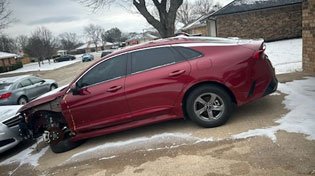
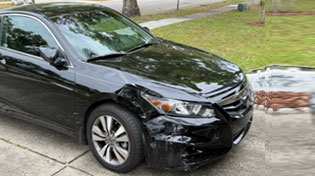

What Kinds of Cars Can Be Evaluated?
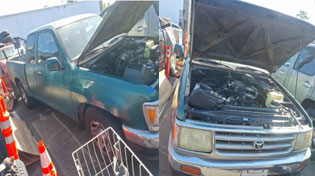
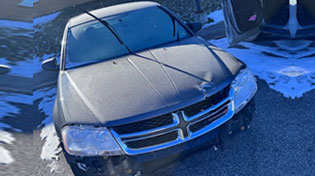
A vehicle may still be worth evaluating even if it is not roadworthy. Describe its present condition so the buyer can decide whether an offer and suitable collection arrangements are possible. Submission is not a guarantee of acceptance.
Cars That Do Not Run
Say whether the engine starts and whether the car can roll, steer, and brake. A vehicle with a failed transmission may require different handling from one that only needs a battery. Report missing keys, flat tires, and other obstacles, too. See the non-running car service page for more information.
Damaged or Incomplete Vehicles
Disclose collision or flood damage, fire damage, missing wheels or major parts, and any insurance total-loss or salvage designation. These details can affect value, documents, and pickup arrangements. Read the damaged-car service overview for related cases.
What Affects a Junk-Car Offer in Providence?
A junk car has no single guaranteed value based on its city or age. The amount a buyer can offer depends on the individual vehicle, its potential for parts or scrap, and the terms of collection. An online inquiry is not proof that a particular amount will be paid.
| Factor | Why it can matter |
|---|---|
| Year, make, model, and mileage | Help identify the vehicle and possible demand for usable parts. |
| Mechanical and body condition | Indicate whether it runs and which major parts may remain usable. |
| Missing components | Can reduce parts value and make the car harder to collect. |
| Ownership documents or liens | Can delay or prevent an otherwise possible transfer. |
| Location and access | Determine whether normal collection is feasible or special arrangements may be needed. |
Describe the car as it is today. For general valuation information, see what affects the junk value of a car.
How to Prepare a Car for Collection in Providence
The condition of the parking space can matter as much as the condition of the vehicle. A car on a public street, in a shared lot, or inside a low-clearance garage may not be accessible to standard towing equipment.
Give an Accurate Pickup Location
Explain whether the car is on private property, at the curb, behind a locked gate, or in a parking structure. Mention limited clearance, narrow access, steep slopes, and any parking or entry restrictions. Arrange permission from the property owner or relevant authority if needed.
Explain Whether the Vehicle Can Move
Tell the buyer if the wheels are missing, the tires are flat, the steering is locked, or the brakes are stuck. Do not attempt to move an unsafe vehicle yourself. Remove personal belongings and locate your ownership records before the appointment. Ask which equipment and access arrangements are available for your situation.
For general information, see junk-car pickup and removal. Confirm any towing charges or exclusions for your specific vehicle before accepting an offer.

Rhode Island Title and Ownership Requirements
Rhode Island changed its title rules on January 1, 2024. For older Rhode Island vehicles, the year alone does not determine the seller's paperwork. The date when the vehicle was first registered to the seller matters, too. The Rhode Island DMV's registration and title guidance sets out these distinctions.
| Vehicle situation | Documents to prepare or verify |
|---|---|
| Rhode Island vehicle, model year 2001 or newer | A properly assigned title and a bill of sale are generally required. |
| Rhode Island vehicle, model year 2000 or older, first registered to the seller before January 1, 2024 | A bill of sale and valid proof of ownership in the seller's name, such as an old registration or paid sales-tax form. |
| Rhode Island vehicle, model year 2000 or older, first registered to the seller on or after January 1, 2024 | A title in the seller's name, properly assigned to the buyer, plus a bill of sale. |
| Existing Rhode Island title lost | Check the duplicate-title procedure. The DMV issues duplicates only for vehicles with an active Rhode Island title. |
| Older Rhode Island vehicle never titled | Ask about the initial-title procedure. It is different from obtaining a duplicate title. |
Check the DMV's title procedures and current fees before applying for a document. If the vehicle has out-of-state ownership records, its documentation may require separate review.
Liens, Salvage Designations, and Ownership Problems
An outstanding loan or lien may require lender involvement or a documented release. A title in another person's name or missing ownership records should be disclosed before collection is arranged. If the car has Rhode Island salvage paperwork, disclose whether it is classified as Class A (parts only) or Class B (repairable). The DMV's special affidavit for getting a salvage title without the original vehicle title is restricted to insurers and certain dealers; private sellers cannot use it to bypass required ownership documents. DMV requirements do not, by themselves, establish whether ByeCar can accept a particular vehicle.
After the Sale: Registration and Plates
Keep copies of the completed sale and transfer documents and arrange to remove your plates as appropriate. Do not assume the buyer's collection of the car automatically cancels your registration. Follow the Rhode Island DMV's registration-cancellation instructions, which describe online cancellation, drop-box and mail options. The DMV no longer accepts cancellation of plates at the counter in person.
If you cancel online, save the confirmation email; the DMV says you can then destroy or recycle the cancelled plates. If using a drop box or mail, follow the DMV's instructions for the plates, identification and cancellation form. Rhode Island requires insurance or other financial security while a registration remains active, so coordinate insurance changes with the cancellation process.
Confirm Pickup Costs, Payment, and Timing
Before you authorize collection, confirm whether towing is included, whether unusual access changes the arrangements, and what appointment window is actually available. A submitted form is not a guaranteed pickup date.
"Cash for junk cars" is a common service description, not a promise of physical banknotes. ByeCar's site describes check or wire transfer as typical payment methods. Confirm the method that applies to your transaction, when payment will be issued, and when funds should be available before signing or handing over the car.
Three checks before you agree:
- Access: Can the vehicle be reached and moved using the available equipment?
- Documents: Are you able to provide the ownership and lien records required for this transfer?
- Final terms: Is the offer amount clear, including any pickup costs and payment timing?
Repair, Sell Privately, or Sell As-Is?
If the car is still repairable, compare realistic repair costs and a private-sale price with an as-is offer. Factor in transportation, time spent advertising, and the possibility of further mechanical problems. A non-running car can still have usable parts, but its value should be judged from real offers rather than an assumed scrap-price minimum. The guide to selling an older car covers more general preparation and selling choices.
Providence and Other Rhode Island Locations
If the vehicle is in Providence, enter its ZIP code and explain the exact pickup location so service availability and collection requirements can be checked. For a vehicle elsewhere in the state, use the Rhode Island junk-car service page. A location page does not guarantee collection from every address.
Request an Offer for Your Providence Vehicle
Start with the form on this page. Have your vehicle's condition, major missing parts, title status, and pickup access information ready for follow-up. Consider the proposed amount alongside the required paperwork, collection terms, and payment arrangements before deciding whether to complete the sale.
Frequently Asked Questions About Junk Cars in Providence
Can I request an offer if the car does not start?
Yes. Explain why it does not run, whether it rolls and steers, and which major parts are missing. Eligibility and collection arrangements must still be confirmed.
Can a car be collected from a public street or parking garage?
That depends on access, permission, vehicle condition, and the equipment available. Provide the exact location and restrictions before making plans.
Can I sell an older Rhode Island car without a title?
Some older vehicles can be transferred using a bill of sale and alternative proof of ownership, depending on their model year and when they were first registered to the seller. See the DMV rules above. Buyer acceptance is separate.
What if the title is in someone else's name?
You need the legal authority and documents required for the transfer. Do not assume a bill of sale alone resolves a title-name mismatch.
What if the car has an active loan or lien?
A release, payoff or lender involvement may be necessary. Disclose the lien and ask whether the transaction is possible before arranging pickup.
Is towing always free in Providence?
Do not assume so. Confirm whether towing is included in your specific offer and whether the vehicle's location or condition changes the terms.
Will I receive physical cash when the vehicle is picked up?
Not necessarily. Check or wire transfer may be used. Verify the agreed method and payment timing before transferring the vehicle.