

 Over 25,000 cars purchased nationwide

If you have an unwanted car in Eugene, the first step is to describe the vehicle as it sits today. A car that will not start, has collision damage, or is no longer practical to repair can be submitted for evaluation. Include its location and ownership status, and be prepared to explain any loading difficulties. Requesting an evaluation does not guarantee an offer or commit you to a sale.
What Affects a Junk Car Offer in Eugene?
An offer can depend on the vehicle's year, make, model, mileage, mechanical condition, collision damage, and remaining major components. Ownership documents, title brands, and the vehicle's location can also affect whether a purchase is possible and how collection would be arranged.
For example, a car with a failed engine but four usable wheels presents different handling questions from a car with missing wheels or severe structural damage. If you have photos, a VIN, or a repair estimate, keep them available in case they are requested. Describe what you know rather than guessing at a scrap value. A requested evaluation is not a guaranteed purchase price.

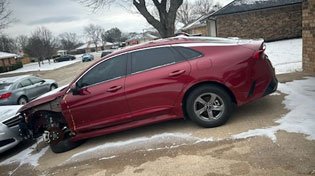
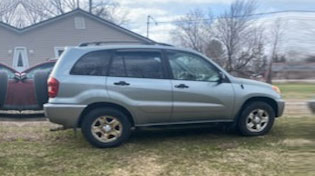
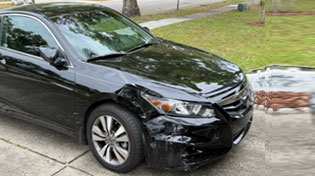
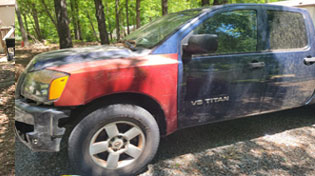
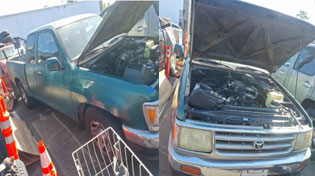


Junk, Damaged, and Non-Running Vehicles
You can request an evaluation for an older or unwanted car with engine or transmission failure, accident damage, flood or fire exposure, substantial rust, a salvage or totaled history, or missing components. Explain whether the car starts, moves under its own power, or has been partly dismantled.
These conditions can affect evaluation and loading. A damaged or branded title may also require additional documentation. Report known defects and the vehicle's ownership status accurately. A particular type of damage does not guarantee that the vehicle will qualify for purchase.
Eugene Rules for Vehicles Stored on Public Streets
How does Eugene's 72-hour street-storage rule work?
Under Eugene Code 5.135, storing a vehicle on a street or other public property beyond 72 hours is prohibited. A vehicle not moved in 72 hours is evidence of storage. Breaking that period requires moving at least two blocks and, without a valid city-issued on-street permit, keeping it away from the original area for 72 hours before returning within two blocks.
The code also prohibits street storage with expired registration or missing plates or stickers. Violations may lead to a citation and, under city procedures, impoundment. The 72-hour rule does not override other parking restrictions.
What other parking rules matter before a sale?
Eugene Code 5.225 restricts parking that obstructs sidewalks, driveways, or bicycle traffic. It also prohibits street parking primarily to display a vehicle for sale. Requesting an offer does not suspend parking enforcement.
These rules concern locations within Eugene's jurisdiction. A Springfield address or an unincorporated Lane County property may have different requirements. Confirm where the vehicle is located before relying on Eugene's rules.

Preparing a Junk Car for Collection in Eugene
Describe the location and access
Explain whether the vehicle is on a public street, driveway, apartment lot, behind a gate, or at a repair facility. Mention narrow entrances, posted restrictions, and anyone who must authorize access. Collection from someone else's property may require permission.
Collection depends on the address and vehicle condition. Confirm that loading will not block a sidewalk, bike lane, or driveway. Do not move an unsafe vehicle into traffic to simplify loading.
Explain whether the car can move
Report whether it starts, rolls, steers, and brakes. Note flat or missing tires, missing keys, a stuck parking brake, damaged suspension, fluid leaks, or missing major parts. These details help determine whether special loading arrangements might be needed.
Before an agreed collection, remove personal belongings, have the required ownership documents ready, and confirm any instructions about keys and license plates. Avoid paying storage or towing charges on the assumption that a buyer will reimburse them.
Oregon Titles and Seller Requirements
What if the title is missing or the car has a lien?
Oregon DMV instructs sellers to sign and date the title or an appropriate bill of sale, subject to the applicable transfer requirements. Any lienholder must release its interest. DMV says you cannot sell a vehicle while its loan remains unpaid, so contact the lender and resolve the payoff and lien release before completing the sale.
For model-year 2011 or newer vehicles under 20 years old, odometer disclosure is generally required, subject to exemptions. Both buyer and seller must sign the disclosure when required. If the title is lost and odometer disclosure is required, Oregon DMV instructs the seller to obtain a replacement title before selling.
For other lost-title situations, follow the applicable DMV transfer procedure. Do not assume that a bill of sale automatically replaces every required ownership document.
What if the vehicle has a salvage, totaled, or junk designation?
Oregon DMV distinguishes totaled or salvage vehicles from those another state has classified as junk or non-repairable. Oregon cannot issue a title for a vehicle with an out-of-state junk or non-repairable designation unless the issuing state removes that status.
A totaled vehicle may require different title procedures. Describe the exact designation shown on the ownership document rather than assuming all damaged or dismantled vehicles have the same legal status. See Oregon DMV's guidance on totaled, junk, and title-branded vehicles.
What should the seller do after the transfer?
Oregon DMV requires sellers to notify the agency within 10 days, including the buyer's name and address. Notification can be submitted through DMV2U.
DMV says the seller remains listed as the owner until the buyer transfers the title. Keep a record of the transaction and the sale notification. DMV also says you may remove your license plates before selling the vehicle.
How Selling a Junk Car Through ByeCar Works
- Request an evaluation. Use the form to provide the car's make, model, year, Eugene-area ZIP code, and contact information.
- Describe its condition. Follow-up questions may cover mileage, photos, damage, missing components, title or lien concerns, and whether the vehicle can be moved.
- Review the proposed terms. If an offer is available, confirm the amount, any inspection or documentation conditions, collection availability, possible charges, and payment arrangements.
- Complete an agreed sale. Follow the applicable title and signature requirements, make any agreed collection arrangements, and submit the required Oregon DMV seller notice afterward.
Submitting the form requests a vehicle evaluation. It does not automatically schedule collection, transfer ownership, or guarantee a purchase. If an offer is available, confirm any inspection, documentation, collection, and payment conditions before deciding whether to proceed.
Confirming Pickup and Payment Terms
Before accepting an offer, confirm whether collection is available at the vehicle's exact location, whether transportation or access charges apply, and how scheduling will be arranged. Ask whether the proposed amount depends on inspection, documents, or the vehicle's condition when collected.
ByeCar's published payment notice says that “cash for junk cars” does not necessarily mean payment in physical cash and that payment is typically made by check or wire transfer. Confirm the actual method and timing before signing documents or releasing the vehicle. Do not assume same-day collection, immediate payment, or free towing.
Condition: Disclose major defects, title brands, and missing components before agreeing to terms.
Access: Explain parking restrictions, gates, missing wheels, and anything else that could affect collection.
Documents: Check ownership, lien release, signatures, and post-sale DMV notification.
Eugene and Nearby Service Areas
This page addresses offers for vehicles located in Eugene. Provide the vehicle's actual ZIP code and address when discussing collection, since a Eugene mailing address does not necessarily establish that Eugene municipal parking rules apply.
If the car is located in Springfield, use the dedicated Springfield page. For other destinations and statewide seller information, consult the Oregon service page. Availability at any address needs confirmation.
Frequently Asked Questions About Selling a Junk Car in Eugene
Can I request an offer if my car does not run?
Yes. Describe its condition and mobility. Whether purchase and collection are possible depends on the vehicle and location.
Can I sell a junk car in Eugene without its title?
You can describe the missing title when requesting an evaluation, but purchase eligibility is not guaranteed. Oregon's requirements depend on the vehicle and transaction. If odometer disclosure is required and the title is lost, Oregon DMV instructs you to obtain a replacement title before selling. Other transfers may follow different procedures. Review the official DMV instructions before completing a sale.
What if I still owe money on the vehicle?
Oregon DMV says an unpaid loan must be resolved before sale. Contact the lender about payoff and the required lien release.
How long may an unused car remain on a Eugene street?
Eugene Code 5.135 restricts storage on streets and public property beyond 72 hours. Registration and other parking rules can apply sooner; 72 hours is not a universal grace period.
Is an Oregon DEQ emissions certificate required to request an offer?
Oregon DEQ testing applies within designated Portland and Medford areas, not Eugene generally. Requesting an offer is different from registering a vehicle. Check any separate registration requirements.
Are junk car pickup and payment immediate or free?
No specific collection time, payment time, or free-towing arrangement is guaranteed by submitting a request. Confirm availability, any charges, and the agreed payment terms before proceeding. ByeCar's published notice says payment is typically by check or wire transfer.
What if the car has no keys or cannot be rolled?
Report missing keys, stuck brakes, damaged steering, or absent wheels. These may affect loading; collection is not guaranteed.
Do I need to notify Oregon DMV after I sell the car?
Yes. Oregon DMV requires sellers to report a vehicle sale within 10 days and include the buyer's name and address. Keep your transaction records and notification confirmation. The seller's notice is separate from the buyer's title transfer.
Request an Offer for Your Eugene Vehicle
Tell ByeCar about the car's year, make, model, condition, ownership status, and location using the page's existing offer form. You can then review any available offer and confirm the documents, pickup arrangements, and payment terms before deciding whether to proceed.