

 Over 25,000 cars purchased nationwide

A car does not need to run to be submitted for evaluation. You can explain major mechanical problems, accident damage, missing parts, or a title issue without committing to a sale. Accurate details help establish whether a transaction and collection arrangement are possible.
What Types of Junk Cars Can You Submit?
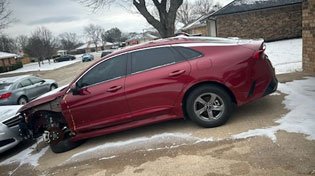
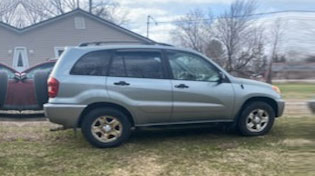
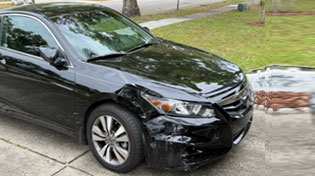
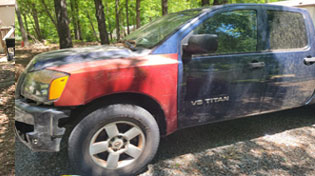
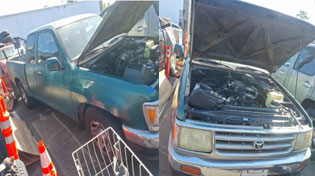
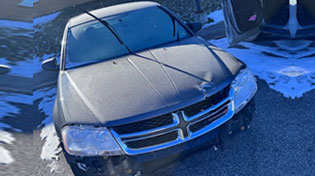
ByeCar reviews inquiries about older, unwanted, damaged, and non-running vehicles. Examples include cars with engine or transmission failure, collision damage, high mileage, missing components, flood damage, or salvage history. If a vehicle no longer starts or cannot be driven safely, describe that when requesting an offer.
Not every vehicle or ownership situation will qualify for purchase. Disclose serious damage, missing wheels, a locked steering system, or other conditions that could complicate collection. If the vehicle is damaged but not necessarily at the end of its useful life, see ByeCar's damaged-car service.


What to Tell Us About Your Vehicle
Start with the year, make, model, pickup ZIP code, and your contact information. For a more complete evaluation, be ready to explain:
- Condition: Does the engine start? Can the car drive, roll, and steer? What damage or missing parts does it have?
- Mileage: Provide the odometer reading if known, and say when the reading is unavailable or uncertain.
- Documents: Is the Illinois title available? Is it lost, branded, or subject to a recorded lien? Are there multiple owners?
- Location: Is the car on a driveway, street, garage level, repair-shop lot, or another property?
- Access: Are keys available? Are there flat tires, locked wheels, gates, narrow entrances, or height restrictions?
Photos may help clarify unusual damage if requested. Do not assume that a basic form submission establishes pickup eligibility or a final price.
What Affects a Junk-Car Offer in Elgin?
An offer may depend on the car's year, make, model, mileage, running condition, accident history, and whether important components remain. Demand for usable parts and recyclable materials can also matter. Two cars of the same age may be evaluated differently if one has a working drivetrain and the other is missing major components.
Documentation and collection access may affect whether a sale is practical. A recorded lien needs attention before certain transfers, and a vehicle that cannot roll out of a garage may require additional planning. The pickup ZIP code alone cannot establish a reliable sale amount.
If you are deciding whether to repair or sell the vehicle as-is, compare a realistic repair estimate with the amount and conditions of any offer. No particular payout or purchase is guaranteed.
How Selling Through ByeCar Works
- Submit vehicle details. Use the existing form and describe the condition, ownership status, and pickup location accurately.
- Review the evaluation. If an offer is available, confirm its amount, any conditions, and what documents are required.
- Discuss collection. Explain whether the vehicle rolls and steers, where it is parked, and any access limitations. Confirm pickup availability, charges or exceptions, and scheduling for that transaction.
- Complete an agreed sale. Verify the buyer's information, correctly complete the required ownership documents, and confirm the payment method and timing before transferring the vehicle.
An inquiry does not guarantee an offer, collection, or a particular payment date. Before handing over the vehicle, review any offer and confirm the transaction terms with the buyer.
Storing a Non-Running Vehicle in Elgin
A car that has stopped running may also create a storage concern. The City of Elgin's Code Tips state that motor vehicles are required to be licensed, operational, and in good repair, and that vehicles must not be kept in a state of major disassembly or disrepair. The city also prohibits parking on grass or sidewalks and directs drivers to use approved asphalt or concrete surfaces.
Vehicles on Residential Property
A driveway is not automatically an unrestricted place to keep a dismantled or inoperable car. If yours has been sitting unused, review the applicable property rules and any notice you have received from the city. Do not assume that requesting an offer suspends parking or code-compliance requirements. If a specific restriction is unclear, ask the city for guidance rather than moving the vehicle to another unsuitable location.
Before any possible collection, remove personal items, locate the keys, and describe whether the car can be moved without being driven. Do not attempt unsafe repairs or movement simply to prepare for a sale.
Preparing a Junk Car for Pickup in Elgin
Pickup planning depends on where the vehicle is actually parked. Tell the buyer about garage clearance, narrow driveways, gates, loading areas, property-manager approval, blocked wheels, or a tow-yard release requirement. Confirm permission to access private property and any applicable public-space restrictions before collection is arranged.
Downtown Parking and Restricted Hours
The City of Elgin's parking guidance restricts on-street parking in the Central Business District from 4 a.m. to 6 a.m. Unless signs indicate otherwise, on-street spaces are also limited to two hours Monday through Friday from 8 a.m. to 5 p.m. A vehicle awaiting a sale is not exempt from these rules. City-owned parking lots have their own limits and are not a substitute for lawful storage of a disabled car.
Gifford Park, Southwest Neighborhood, and Private Access
The city's parking guidance identifies posted odd/even street-parking restrictions in the Gifford Park and Southwest neighborhoods. Where signs apply, the permitted side of the street changes with the calendar date. Check the signs at the vehicle's actual location rather than assuming curbside access will be available.
If the car is in a garage, apartment lot, repair shop, or other controlled space, tell the buyer who can authorize access. Confirm the possible collection arrangement before moving the car or arranging outside assistance.

Illinois Titles and Ownership Documents
For an ordinary vehicle sale, the Illinois Secretary of State's selling guide tells sellers to provide a valid title, sign and date it when the sale is final, and give it to the buyer at delivery. Verify that the vehicle identification number and title information are correct. Do not sign incomplete transfer paperwork or assume registration and insurance cards replace proof of ownership.
Missing Titles and Recorded Liens
If the original title is lost, stolen, or damaged, review the Illinois duplicate-title process. If a lien is recorded, Illinois generally sends a duplicate title to the lienholder; removing the lienholder from the record requires acceptable release documentation or another authorized basis. Confirm the actual title status and the lender's requirements before agreeing to sell. A missing-title purchase or automatic lien payoff is not guaranteed.
Junking Certificates and Salvage Documents
Illinois distinguishes an ordinary title transfer from permanently junking a vehicle. Illinois Vehicle Code Section 3-117.1 sets out a junking-certificate process with exceptions. Section 3-117.2 provides a different notification procedure for qualifying licensed scrap processors and automotive parts recyclers that acquire specified ownership documents. A salvage vehicle is not automatically a legally junked vehicle, and a bill of sale alone does not necessarily resolve title requirements. Confirm which document the vehicle has and which procedure the recipient can lawfully use. For further detail, read ByeCar's Illinois junk-car guide.
What to Do After Selling Your Car in Illinois
The Illinois Secretary of State instructs sellers to remove their license plates before delivering a vehicle, complete the applicable title assignment, and record the buyer's name and address. Prepare a bill of sale with the date and sale price, keep a copy, and remove registration and insurance cards from the car. Special junking or salvage transactions can require different documents, so confirm the correct procedure before transfer.
Submit the Seller's Report of Sale
The Illinois Secretary of State instructs sellers to submit a Notice of Sale. If your title does not include that notice, the Seller's Report of Sale, form VSD 703, provides a separate reporting form. Its instructions say to complete and mail it as soon as you sell or transfer the vehicle. The form requests the vehicle identification number and the buyer's and seller's details. Submitting a sale notice does not transfer ownership. For a standard titled sale, properly signing and assigning the Certificate of Title remains a separate step. Keep copies of your transaction records.
Elgin Service Area and Pickup Jurisdiction
Elgin includes addresses in both Kane and Cook counties. Give the actual location and pickup ZIP code, not just the city's name, so service availability, jurisdiction, parking rules, and access needs can be confirmed. Illinois ownership requirements apply statewide, but municipal parking requirements depend on the property and street involved.
Before requesting an offer: Check ownership records and describe major damage or missing parts.
Before collection: Confirm who will take possession, the accessible pickup location, any charges, and payment arrangements.
After the sale: Keep your records, remove plates as required, and complete the applicable Illinois sale-reporting process.
For broader coverage, visit ByeCar's Illinois service page or browse its national service areas.
Request an Offer for Your Junk Car in Elgin
Use the vehicle offer form near the top of this page to provide the basic details. Explain the car's condition, documents, and access needs when contacted, and review any proposed sale, pickup, and payment terms before deciding. For a question about your particular situation, contact ByeCar.
Frequently Asked Questions About Selling a Junk Car in Elgin
Can I request an offer if my car does not run?
Yes. Explain why it does not start and whether it can roll and steer. A non-running vehicle can be submitted for evaluation, but purchase and collection are not guaranteed.
Can I sell an Illinois vehicle without the original title?
First check whether the title is lost, damaged, or held by a lienholder. Illinois provides a duplicate-title procedure. Some qualifying licensed-recycler transactions have different document rules, but a missing title is not automatically acceptable and the buyer must confirm the lawful procedure.
What is the Illinois Seller's Report of Sale?
Form VSD 703 reports a sale or transfer to the Secretary of State. It should be completed promptly and does not replace the title assignment required for an ordinary sale.
Can I leave a non-running car in my Elgin driveway?
Do not assume that keeping the car on private property makes it exempt from city rules. Elgin's Code Tips address inoperable, unlicensed, and dismantled vehicles and require approved paved parking surfaces. Check the applicable rule for your property.
Do downtown or neighborhood parking restrictions affect pickup?
They can. Downtown Elgin has posted hours and time limits, and parts of Gifford Park and Southwest Neighborhood use signed odd/even parking. Review the city's parking information and explain the exact parking location before scheduling collection.
Can a vehicle be collected from a repair shop or gated lot?
Tell the buyer where it is, who controls the property, and whether there are release fees, gates, or access restrictions. Any collection arrangement and required permission must be confirmed for that site.
Is towing free, and how would I be paid?
ByeCar advertises free removal on other pages, but you should confirm whether pickup is available for your vehicle and whether exceptions or charges apply. ByeCar's website footer states that payment is typically made by check or wire transfer. Confirm the actual method and timing before the sale.

