

 Over 25,000 cars purchased nationwide

Request an Offer for a Junk Car in Sioux Falls
If you have a junk, damaged, or non-running car in Sioux Falls, start by sharing its year, make, model, and ZIP code. Explain major damage, missing parts, whether it starts, rolls, or steers, and where it is parked. These details help determine whether an offer can be considered and what collection arrangements might be necessary.
Submitting vehicle information does not guarantee a purchase or a particular amount. Before agreeing to sell, review any proposed offer, required ownership documents, possible pickup charges, and payment terms.
Junk, Damaged, and Non-Running Vehicles
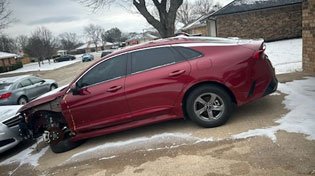
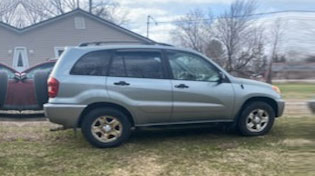
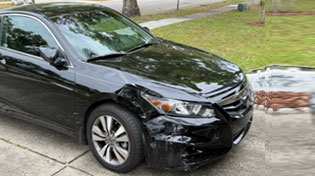
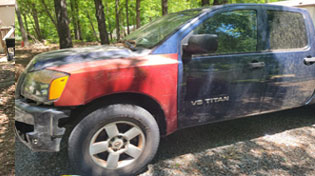
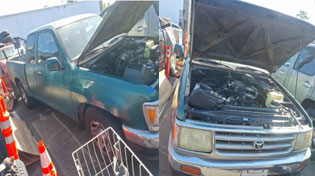
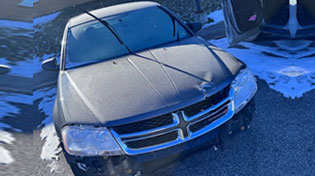
Cars, SUVs, and pickups with failed engines or transmissions, collision damage, substantial rust, water exposure, or missing components may be submitted for evaluation. A vehicle that does not start but can roll and steer may have different handling requirements from one with missing wheels or locked brakes.
Disclose significant defects, whether the vehicle has keys, and any missing components. Its actual condition matters more than simply describing it as junk. See ByeCar's damaged-car service and non-running vehicle guidance for related information. Acceptance remains subject to evaluation.
What Affects a Junk Car Offer in Sioux Falls?
The vehicle's year, make, model, mileage, condition, completeness, and remaining usable components may influence an evaluation. Ownership records, vehicle mobility, and collection access can also affect whether an offer is possible and what terms apply.
For example, a pickup with a failed engine but intact wheels presents different transport requirements from a sedan with damaged suspension that cannot roll. There is no fixed amount for every junk car in Sioux Falls. Compare an actual offer with repair estimates, continuing storage costs, and the full proposed terms.


Sioux Falls Rules for Inoperable Vehicles
Sioux Falls Municipal Code Section 93.026 identifies abandoned, discarded, wrecked, dismantled, inoperable, and junked vehicles or parts as potential public nuisances.
The code generally prohibits keeping covered vehicles on private property for longer than 14 days unless they are within a carport, fully enclosed building, or structure, subject to the ordinance's exceptions. A tarp, tent, or similar temporary covering does not satisfy that storage provision. An inoperable vehicle presenting an imminent health, safety, or fire hazard may not be kept on the premises.
Exceptions and the 14-Day Rule
Section 93.027 provides an exception for one licensed inoperable vehicle kept on a private driveway without being shielded from public view. If that vehicle has externally visible disrepair or disassembly, the exception does not allow it to remain there longer than 14 days. Compliant automotive repair businesses and junkyards have separate exceptions.
The 14-day rule is not a blanket grace period for every unsafe vehicle, and not every non-running car is automatically in violation on day 15. If the city has contacted you, ask Sioux Falls Code Enforcement about the applicable condition, required action, and deadline. Requesting a purchase offer does not suspend enforcement.
Public Streets and Winter Snow Alerts
Under Section 93.025, a vehicle left unattended or stored in substantially the same place on public property for more than 24 hours meets the subchapter's abandoned-vehicle definition. This differs from the private-property storage provisions and does not mean other parking restrictions cannot apply sooner.
The city's snow-alert guidance explains that street-parking restrictions take effect by zone during snow removal. Separately, Municipal Code Section 77.047 prohibits parking on posted emergency snow routes once two inches of snow accumulates, until the roadway is plowed to the curblines. Violating vehicles may be removed.
A proposed vehicle pickup does not exempt the owner from street-parking or snow-removal rules. Check the city's current restrictions and arrange lawful vehicle access.
South Dakota Title and Ownership Documents
For an ordinary vehicle sale, the South Dakota Department of Revenue provides title-transfer guidance and Bill of Sale Form 1025. Confirm the properly assigned title, buyer information, required signatures, and any applicable odometer or damage disclosures before transferring ownership.
The title and registration procedures are state requirements. They should not be confused with a buyer's offer policy or interpreted as a guarantee that ByeCar will resolve every paperwork problem.
Lost Titles and Electronic Liens
If an existing South Dakota title has been lost, the Department of Revenue provides Duplicate Title Application Form 1002. Eligibility and required supporting documentation depend on the title record. If another state issued the certificate, contact that state's motor-vehicle agency about replacement.
South Dakota also uses an Electronic Lien and Title system. While a lien is recorded, the title may remain electronic. A participating lienholder can submit a release, after which title issuance follows the state's procedures. Disclose active loans or liens and confirm what documents are needed before selling.
Salvage and Junking Certificates
A salvage title, a nonrebuildable designation, and a junking certificate are not interchangeable.
Under SDCL 32-3-51.12, an owner dismantling a motor vehicle to sell its parts must apply for a junking certificate. The application must be accompanied by the license plates, registration card, and certificate of title. If a lien appears on the title, the lienholder's consent is required. SDCL 32-3-51.17 separately addresses vehicles designated nonrebuildable or parts only.
A junking certificate is not a general replacement for a lost title. South Dakota also has a separate title-application procedure for some vehicles at least 11 years old when no prior title record exists, subject to a signed bill of sale, affidavit, and official record checks. That procedure does not create an automatic under-$500 title exemption or guarantee a buyer can accept the vehicle without documentation.
Plates, Report of Sale, and Seller's Permit
Under SDCL 32-5-2.7, South Dakota generally requires removal of license plates when ordinary vehicle ownership is transferred. The owner may have options for retaining or reassigning them. However, an application for a junking certificate under Section 32-3-51.12 requires the plates to accompany the application.
SDCL 32-5-2.10 requires the seller to file a report of sale with DOR at the time of sale, identifying the purchaser. The department provides Report of Sale Form 1024 and an online reporting option.
The state's seller's-permit guidance also requires a private seller to provide the applicable free 45-day temporary permit. Confirm any special handling for a dismantling transaction with DOR. The permit does not make an unsafe or inoperable vehicle lawful to drive.
Preparing a Car for Pickup in Sioux Falls
Give the vehicle's actual parking location and explain whether it can be reached safely. Mention missing keys, flat tires, locked brakes, damaged steering, missing wheels, blocked driveways, snowbanks, or limited space for transport equipment.
A vehicle at a repair shop, apartment lot, tow yard, or storage facility may require the property's authorization before release. Ask whether unpaid storage or repair charges apply. Do not assume a buyer can enter the property or settle third-party charges.
Before agreeing to sell, confirm whether collection is available at that location, what charges may apply, the documents needed, and the payment arrangements.
Sioux Falls City Limits or a Nearby Community?
Tea, Harrisburg, and Brandon are separate municipalities. A Sioux Falls-area mailing address does not necessarily place a vehicle under Sioux Falls municipal ordinances.
If you have received a vehicle-storage notice, confirm which authority governs the actual property. For an offer request, provide the full address and ZIP code so service availability and collection access can be evaluated.
How an Offer Request Works
- Share vehicle details. Provide the year, make, model, ZIP code, and your contact information through the existing form.
- Clarify condition and ownership. Be ready to describe damage, missing parts, vehicle mobility, title status, liens, and access restrictions.
- Review any proposed offer. If one is available, confirm the amount, inspection or documentation conditions, possible collection charges, and payment method and timing. ByeCar's published footer describes check or wire transfer as typical, but the actual arrangements must be agreed upon for your transaction.
- Confirm the handoff if you agree. Establish who must sign, who can authorize vehicle release, where collection can occur, and what ownership and payment records you will retain.
Condition: Describe major damage, missing components, and whether the car starts, rolls, and steers.
Documents: Identify the issuing state, recorded owners, active liens, and any salvage or junking record.
Terms: Confirm access, possible pickup charges, payment arrangements, and vehicle-release requirements before handing over the car.

Ready to Request an Offer for Your Sioux Falls Vehicle?
Start with the vehicle's basic information and accurately describe its condition, documents, and location. These details help determine what options can be discussed without assuming a price or guaranteed pickup.
For a vehicle outside Sioux Falls, visit the South Dakota junk-car service page and confirm availability for the specific location.
Frequently Asked Questions About Selling a Junk Car in Sioux Falls
Can I Request an Offer for a Non-Running Car or One Missing Parts?
Yes. Describe major damage, missing components, and whether the car can roll or steer. Submitting the information does not guarantee a purchase offer or collection.
How Long Can an Inoperable Vehicle Remain on Private Property in Sioux Falls?
Section 93.026 generally restricts keeping covered vehicles on private property longer than 14 days unless appropriately stored, subject to exceptions. Section 93.027 allows one licensed inoperable vehicle on a private driveway, but externally visible disrepair or disassembly limits that exception to 14 days. Confirm the rules for your property with the city.
What if My Car Is on a Street During a Snow Alert?
Follow the city's snow-alert zone restrictions. On posted emergency snow routes, parking is prohibited after two inches of accumulated snow until the road is plowed to the curblines. Violating vehicles may be ticketed or towed. Do not leave an inoperable vehicle in place while awaiting a possible buyer.
What if My South Dakota Title Is Lost or the Vehicle Has a Lien?
DOR provides Form 1002 for an eligible duplicate title. A recorded lien, including one in the Electronic Lien and Title system, may require action by the lienholder before ownership can be transferred. Confirm the requirements before arranging collection.
Can a Junking Certificate Replace a Missing Vehicle Title?
No. South Dakota's junking-certificate procedure is for qualifying dismantling or parts-only situations and ordinarily requires the title, registration card, and plates. An older vehicle does not automatically qualify for a title-free junk-car sale.
What Happens to My Plates and Report of Sale?
Plates generally come off the vehicle in an ordinary sale, but must accompany an application for a junking certificate when that procedure applies. The seller must also report the sale to DOR at the time of sale, using Form 1024 or the available online process.
Is Pickup Free, and How and When Will I Be Paid?
Do not assume free pickup or a fixed payment schedule. Confirm collection availability, any applicable charges, and payment terms before agreeing to sell. ByeCar's footer describes check or wire transfer as typical rather than necessarily physical cash.