

 Over 25,000 cars purchased nationwide

If your car in Las Vegas no longer runs, needs major repairs, or has become too expensive to keep, you can request an offer without repairing it first. Start with the vehicle's basic details, describe its condition accurately, and confirm the ownership and pickup requirements before deciding whether to sell.
What Affects a Junk Car Offer in Las Vegas?
A junk car does not have one fixed local price. Its year, make, model, mileage, running condition, and usable components can influence an offer. Collision damage, a failed transmission, a missing catalytic converter, or other removed parts may change how a buyer evaluates it.
The vehicle's location matters too. A car parked in an accessible driveway may require different collection arrangements from one behind a gate or in a storage facility. If you receive an offer, ask whether inspection findings or pickup circumstances could change the amount, and whether any collection charges would reduce what you receive.
Scrap-metal value is not the same as a whole-car purchase offer. Our car scrap value guide explains how recyclable materials, reusable parts, and collection costs differ.


Which Vehicles Can You Submit for Review?
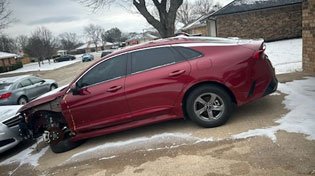
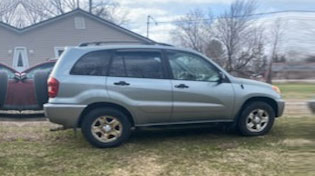
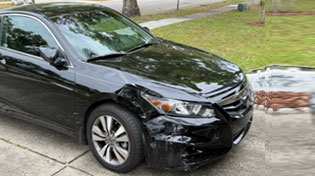
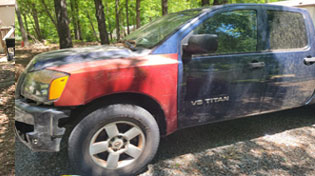
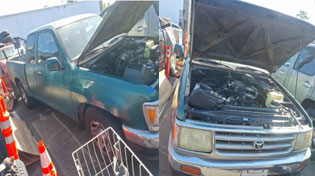
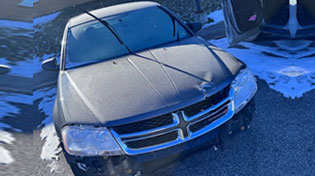
You can request an evaluation for an older car, truck, or SUV with significant damage or mechanical problems. Examples include a vehicle that will not start, one with a damaged engine or transmission, a wrecked car, or a vehicle with substantial body damage. Missing keys or parts should be disclosed before an offer is considered.
A vehicle with a salvage, rebuilt, or non-repairable designation needs an additional eligibility review. Submitting its details does not mean it can legally be purchased by every buyer or under every title status.
There is no need to make an unsafe vehicle drivable just to request a quote. For more about specific defects, see our damaged-car information.
How Selling Your Junk Car Works
- Share the vehicle basics. The current quote form requests the make, model, year, ZIP code, and contact information. Have the mileage, running status, known damage, missing parts, and title details ready for follow-up.
- Review any offer. If an offer is available, ask which vehicle details it assumes and whether an inspection or document review is still required.
- Confirm collection and paperwork. Discuss the actual pickup address, whether towing is included, access restrictions, the title or lien documents needed, and the expected schedule.
- Agree on payment and transfer. Confirm the payment method, amount, timing, and required ownership documents before releasing the vehicle. Keep a copy of the completed transaction records.
The steps and timing may differ according to the vehicle and the arrangements accepted for that transaction.

Nevada Title and Ownership Requirements
Nevada DMV rules determine which documents are needed to transfer a vehicle. ByeCar's decision to evaluate or purchase it is separate from the legal requirements. Before scheduling a sale, confirm where the car was last titled, who owns it, and whether a recorded lien or title brand applies.
Standard Titles, Co-Owners, and Odometer Information
For an ordinary private-party sale, the seller generally must provide a properly signed vehicle title. If two owners are connected by "AND" on the title, both must sign. If they are connected by "OR," either may sign. A loan or recorded lien must be addressed with the lienholder before an authorized transfer can proceed.
For model year 2011 and newer vehicles, Nevada requires a paper title and the applicable odometer disclosure when ownership changes. A bill of sale alone does not replace those requirements. Review the Nevada DMV title and odometer guidance.
For a vehicle that is not operational or registered, the DMV also describes a title-only procedure that can be completed without new registration, insurance, or a smog inspection. This does not remove the underlying title or ownership requirements, and it does not authorize driving the vehicle on public roads.
Lost Titles and the Limited Older-Vehicle Procedure
If the title is missing, the usual starting point is to obtain a replacement from the state that last issued it. Nevada's duplicate-title application, Form VP 012, is for vehicles last titled in Nevada. The legal owner on record or another authorized party must satisfy the form's requirements, including applicable lien conditions.
The Nevada DMV's buying and selling guidance describes a limited procedure using Form VP 012 with a bill of sale for qualifying vehicles last titled in Nevada and model year 2010 or older. This is not a general no-title exemption or a guarantee that ByeCar can accept the vehicle.
For 2011-and-newer vehicles, a bill of sale and duplicate-title application cannot substitute for the paper title required by Nevada's odometer-transfer rules.
Salvage, Rebuilt, and Non-Repairable Vehicles
A vehicle with an orange Nevada Salvage Title cannot be sold to an ordinary private buyer before it has been properly rebuilt and inspected. Nevada permits specific transactions involving appropriately licensed rebuilders, wreckers, or dealers.
A rebuilt vehicle has different documentation from a vehicle that still carries an orange salvage title. Non-repairable vehicles are subject to separate certificate and transfer restrictions and cannot be restored for highway use.
See the Nevada DMV salvage vehicle requirements. Disclose the exact title or certificate status before accepting an offer. Whether the transaction can proceed depends on the legal classification and authorization of the actual purchasing party.
Junk Car Pickup in Las Vegas: What Should You Confirm?
ByeCar advertises junk-car towing as part of its purchasing service. Before accepting an offer, confirm whether collection is available for your particular Las Vegas ZIP code, whether it is included, and what access conditions apply. Do not assume every vehicle or location qualifies for the same arrangements.
If the Car Cannot Roll or Is in a Restricted Location
Describe flat tires, missing wheels, missing keys, locked steering, blocked access, or a vehicle that cannot be shifted into neutral. A gated community, apartment garage, repair shop, or storage lot may require authorization or different loading equipment. Ask the property manager or facility what is needed to release the vehicle.
Do not drive or move an unsafe car to make pickup easier. Provide these details before collection is scheduled.
What to Do Before and After Your Car Is Collected
Before Pickup
- Check ownership documents. Locate the title, confirm which owners must sign, and disclose any outstanding lien, electronic title, or salvage designation.
- Remove personal belongings. Check the trunk, glove compartment, console, seat pockets, and any storage areas.
- Remove your Nevada license plates. Nevada plates normally stay with the seller, not the vehicle. Keep them for an eligible transfer or follow the DMV's surrender instructions.
- Prepare the collection location. Tell the buyer about gates, parking structures, missing wheels, storage-lot access, or any third-party authorization required to release the car.
- Confirm the transaction. Review the final offer, collection costs if any, payment method and timing, and ownership paperwork before releasing the vehicle.
After the Sale
Keep copies of the completed transfer documents and a record of the buyer's information and sale date.
Use Nevada's MyDMV system to submit a Vehicle Resale Notification. The DMV allows this notification during registration cancellation or as a separate transaction.
Cancel your vehicle registration before ending the Nevada insurance policy. The DMV warns that ending insurance before registration cancellation can result in penalties. Follow the applicable instructions for reusing or surrendering your removed plates.
For the steps and available options, see the Nevada DMV registration cancellation and resale notification guidance.
Repair, Sell As-Is, or Recycle?
| Vehicle situation | What to compare |
|---|---|
| Runs but needs a repair | Compare a written repair estimate with the vehicle's likely value after repair. |
| Does not run and needs major work | Compare repair and transportation costs with an as-is offer. |
| Has extensive collision, flood, or structural damage | Evaluate whether a lawful salvage or recycling transaction is more practical than repair. |
| Has reusable components but limited whole-car demand | Compare a complete-vehicle offer with the time and cost of selling parts separately. |
Consider storage fees, transportation, your available time, and the final amount you could receive. A higher advertised number is not necessarily a better result if costs or conditions differ.
Three Things to Confirm Before Agreeing
Condition: Does the buyer know the major defects, missing components, and whether the car can roll or steer?
Ownership: Are the title, lien, and any salvage documents sufficient for the proposed transaction?
Terms: Do you understand the net offer, pickup arrangements, and payment method and timing?
Why Consider an Offer From ByeCar?
An online quote request gives you another option to compare with repairing the car, selling it privately, or contacting a recycler. You can describe the vehicle while it remains at its current location and evaluate any offer against your alternatives. Review the full terms before deciding whether an as-is sale works for you.
Other Nevada Junk Car Service Areas
For a vehicle outside Las Vegas, use the Nevada service page or see the separate pages for Henderson, North Las Vegas, and Paradise. Confirm collection eligibility for the vehicle's actual ZIP code rather than assuming one city's arrangements apply elsewhere.
Request a Quote for Your Junk Car in Las Vegas
Start with the year, make, model, and ZIP code in the existing quote form. Share any major damage, title issues, or restricted pickup access when requested. If an offer is available, review the amount, paperwork, collection arrangements, and payment terms before agreeing to sell.
Frequently Asked Questions About Selling Junk Cars in Las Vegas
Can I request an offer if my car does not run?
Yes. You can submit a non-running car for evaluation. Disclose whether it starts, rolls, steers, and has its main components. Acceptance and collection arrangements depend on those details.
Can I sell my junk car without a title in Las Vegas?
Not automatically. Nevada generally requires a properly signed title. A limited Form VP 012 and bill-of-sale procedure applies to qualifying vehicles last titled in Nevada and model year 2010 or older. For 2011-and-newer vehicles, the DMV requires a paper title and applicable odometer disclosure. Confirm the legal process and buyer eligibility before arranging a sale.
Can I sell a car with a salvage or rebuilt title?
A rebuilt vehicle can be submitted for evaluation, subject to its paperwork and condition. Nevada restricts transactions involving orange Salvage Titles to appropriately licensed buyers before rebuilding and inspection. Non-repairable vehicles have separate transfer restrictions. Acceptance cannot be assumed without confirming the vehicle's classification and the buyer's authorization.
Is towing included with a junk car offer in Las Vegas?
ByeCar advertises towing with its junk-car purchasing service. Confirm that collection is available at your address and included under your specific offer, particularly if special equipment or restricted-property access is involved.
How long will it take to have my junk car picked up?
There is no verified fixed timeframe for every Las Vegas vehicle. Scheduling depends on document readiness, pickup access, eligibility, and availability. Ask for an agreed collection window before the handoff.
How will I receive payment?
ByeCar's published footer says payment is typically made by check or wire transfer. Confirm the actual method, amount, and timing for your transaction before releasing the car. Do not assume that the phrase "cash for junk cars" means physical cash at pickup.
What should I do with my Nevada plates and registration?
Remove your plates before the vehicle is transferred. After the sale, submit a resale notification through MyDMV, cancel the registration before ending your Nevada insurance policy, and follow DMV instructions for reusing or surrendering the plates.