 Over 25,000 cars purchased nationwide

What to Have Ready for a South Dakota Junk Car Quote
Start with the vehicle and contact details requested in the form. Be ready to describe its condition, title status, location, damage, and missing components. Damaged and non-running cars can also be submitted for evaluation.
- Vehicle details: Year, make, model, ZIP code, mileage, and actual location.
- Condition: Whether it runs, rolls, and steers; mechanical, collision, hail, flood, fire, or rust damage; and missing parts.
- Ownership: Whether you have the title, a missing title, an active lien, or documents showing salvage, nonrebuildable, or parts-only status.
- Access: Whether the vehicle is parked at a residence, repair shop, gated lot, rural property, or somewhere requiring permission to enter.
Give an accurate description rather than estimating an offer yourself. A quote request does not obligate you to sell or guarantee that the vehicle will qualify for purchase.
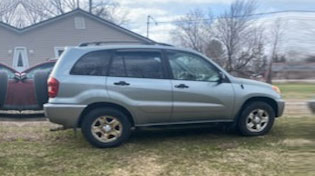
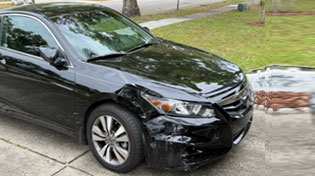
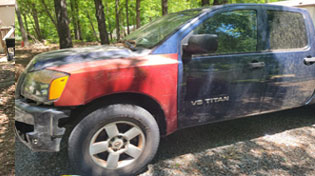
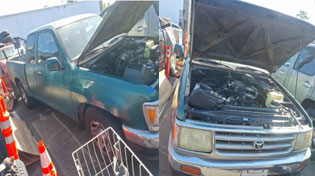

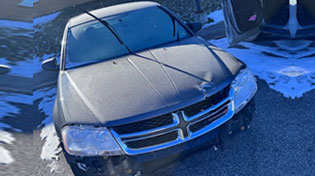
Junk, Damaged, and Non-Running Vehicles
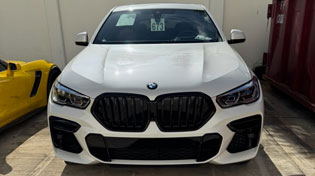
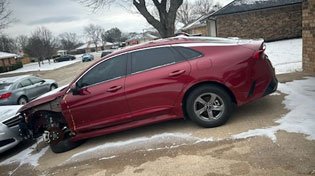
A junk vehicle may be non-running, damaged, totaled, or no longer practical to repair. These conditions can support a junk-car sale, but they do not mean every vehicle is automatically eligible.
Vehicles with a failed engine or transmission, collision or hail damage, extensive rust, water or fire exposure, or missing major components can be submitted for review. Explain whether the wheels, keys, catalytic converter, drivetrain, or other important parts are missing. Also disclose if the title has a salvage or nonrebuildable designation.
The vehicle's condition, ownership paperwork, and collection requirements must be evaluated together. For more information on specific defects, visit ByeCar's damaged-car service.
What Affects a Junk Car Offer in South Dakota?
An offer can depend on the vehicle's year, make, model, mileage, condition, major damage, missing components, title status, and location. Describe the car as it currently sits, including any parts removed since it last ran.
A complete vehicle that rolls and steers may present different handling and salvage considerations from one missing wheels or an engine. A title problem, an unresolved lien, or restricted loading access may also affect whether a transaction can proceed. Prices associated with other vehicles or states are not South Dakota price estimates or guarantees for your car.
If you are deciding between repair and sale, compare a written repair estimate with the car's likely value after repair and any storage costs. An individual evaluation provides another point of comparison without requiring you to accept an offer.
South Dakota Title, Lien, and Junking Requirements
South Dakota titles document vehicle ownership. Required documents differ for an ordinary sale, an active lien, or a vehicle being dismantled. State rules are separate from ByeCar's purchase criteria.
Ordinary title transfer and bill of sale
For an ordinary sale, both parties have title-transfer responsibilities. The South Dakota Department of Revenue instructs sellers to provide a bill of sale and lists Form 1025. Have the ownership document ready. A bill of sale is not an automatic replacement for a missing title.
Missing title and electronic liens
For a lost South Dakota title, eligible owners can use Duplicate Title Application Form 1002, listed by DOR. Under the Electronic Lien & Title system, a title generally remains electronic while a lien is recorded and is printed after the applicable release process. Disclose active or recently satisfied liens before transfer. Do not assume ByeCar can pay off a loan or obtain missing documents.
Salvage, nonrebuildable, and dismantling situations
South Dakota treats salvage titles and junking certificates as different document categories. Under SDCL section 32-3-51.12, an owner dismantling a motor vehicle to sell its parts must apply for a junking certificate. The application must include the license plates, registration card, and title. If a lien appears on the title, the lienholder's consent must be endorsed on it. Section 32-3-51.17 also requires a junking certificate for a vehicle titled nonrebuildable or parts only, or one whose owner has designated that it should not be placed on public roads. These procedures do not automatically apply to every damaged or non-running car. A bill of sale alone is not a universal substitute for a title. Confirm the classification, documents, and buyer eligibility before proceeding.

Preparing for Vehicle Collection Across South Dakota
Vehicle location and safe loading access matter separately from the car's condition. Provide the actual address and ZIP code, not just the nearest town. Pickup availability, timing, equipment, and possible charges must be confirmed for the individual situation.
Rural property, garages, and restricted access
Tell the buyer if the vehicle sits on a farm lot, gravel driveway, fenced property, repair-shop yard, or storage facility. Explain any gate code, low clearance, narrow entrance, blocked path, or permission needed from the property owner. Say whether the car has keys and wheels and can roll and steer. Resolve any storage or release charges before agreeing to collection.
Winter weather and travel restrictions
Snow, ice, construction, and temporary road closures can affect access in different parts of the state. South Dakota DOT provides current conditions through SD511. Check safe access before arranging a collection during adverse conditions. Do not assume a vehicle stranded on a public roadway can be recovered through an ordinary purchase pickup.
How the Offer and Sale Process Works
- Submit vehicle details. Start with the quote form and describe the car's location and basic condition.
- Clarify any issues. Share missing parts, damage, title or lien status, and access restrictions. Additional details or an inspection may be requested.
- Review the proposed terms. If an offer is available, confirm the amount, any conditions, required documents, payment method, and whether pickup can be arranged.
- Complete the agreed transfer. Follow the applicable ownership process and keep records of payment, paperwork, and vehicle handover.
A request is not a guaranteed offer or purchase, and no collection or payment deadline is promised here.
Seller Responsibilities After the Transfer
For an ordinary sale, complete the applicable title and bill-of-sale steps and retain your transaction records. South Dakota generally keeps license plates with the owner rather than with the sold vehicle. A different requirement applies when an owner dismantles a vehicle to sell its parts: the junking-certificate application must include the plates, registration card, and title, along with lienholder consent when required. Confirm which procedure applies before handling the plates.
South Dakota DOR offers online sale reporting through its Vehicle Registration & Plates portal and lists Seller Report of Sale Form 1024. DOR also describes a 45-day seller's permit for private-party transactions where the buyer will drive the vehicle before registration; check whether it applies to your sale rather than assuming a non-running vehicle needs that permit. Keep a copy of the bill of sale and address applicable registration or insurance follow-up. Do not assume the buyer completes your seller-side reporting.
Confirm the Transaction Terms Before Selling
Offer: Ask whether the amount is conditional on an inspection, a complete parts inventory, or the ownership documents matching your description.
Pickup: Confirm whether collection is available at the exact address, how access and loading will work, and whether towing, storage, or release charges apply.
Payment and paperwork: Confirm the payment method and timing, what documents each party must complete, and when possession will change hands. Keep a record of the final terms.
South Dakota Locations and Related Guidance
For a car located in Sioux Falls, see the Sioux Falls junk-car page. For other locations, give your vehicle's actual address when requesting an evaluation. You can also visit ByeCar's national service-area directory or contact ByeCar with questions about submitting a request.
Request an Evaluation for Your South Dakota Vehicle
Have the vehicle's condition, location, and title details ready, then request a quote through the existing form. Review any proposed offer, collection terms, and payment arrangements before deciding whether to proceed.
Frequently Asked Questions About Selling a Junk Car in South Dakota
Can I request an offer for a car that does not run?
Yes. Submit its details, including defects, missing parts, and whether it rolls and steers. Acceptance is not guaranteed.
What if I lost my South Dakota vehicle title?
DOR lists Duplicate Title Application Form 1002 for eligible owners. A lost document does not authorize an automatic title-free transfer.
What if there is still a lien on the vehicle?
Disclose the lien and confirm its release requirements. The title may remain electronic until release. Do not assume the buyer will pay off the loan.
Is a junking certificate required for every junk car?
No. A car does not require a junking certificate merely because it is damaged or does not run. South Dakota requires one when the owner dismantles the vehicle to sell its parts, or when the vehicle is marked nonrebuildable or parts only, or designated not to return to public roads. An ordinary sale follows different transfer requirements.
Can collection be arranged from a remote or gated property?
It depends on safe access and available arrangements. Disclose gates, unpaved approaches, missing wheels, and needed property or storage permissions.
Do I keep my plates and report the sale?
For an ordinary sale, plates generally stay with the owner. For dismantling to sell parts, the junking-certificate application must include the plates, registration card, and title. Report a completed sale through the DOR portal or Seller Report of Sale Form 1024, as applicable.
Is pickup free, and when will I be paid?
No terms are guaranteed. Confirm collection charges, payment method and timing, and transfer requirements before releasing the vehicle.