

 Over 25,000 cars purchased nationwide

A major breakdown does not mean you have to repair the vehicle before asking what it may be worth. If your car will not start or has a serious mechanical problem, have the year, make, model, mileage if known, main issue, title status, and Pennsylvania ZIP code ready. A repair estimate or diagnosis can also help explain the condition.
What Can Affect a Broken Car’s Value in Pennsylvania?
A broken car can still have value based on more than whether it runs. Year, make, model, mileage, overall condition, title status, missing components, and the severity of the problem can all matter. Describe whether the vehicle starts, moves, rolls, steers, or brakes rather than guessing at a diagnosis.

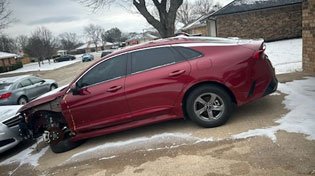
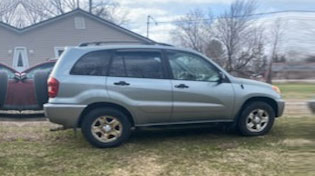
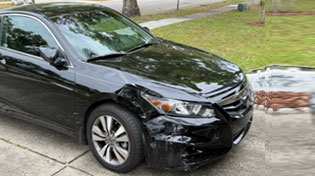
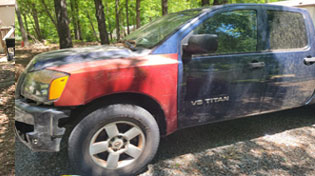
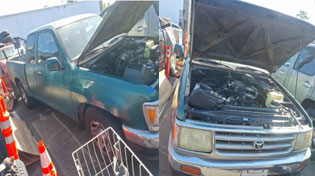

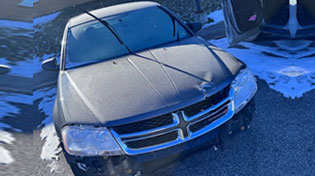
Broken and Non-Running Cars You Can Ask Us to Evaluate
You can request an evaluation for a no-start problem, engine failure, transmission trouble, major electrical faults, or other mechanical failures. A vehicle may also have mechanical issues together with collision or body damage. If accident damage is the main concern, see ByeCar’s damaged-car service.
Before paying for a major repair only to make the car easier to sell, compare the repair estimate with its likely post-repair value and an as-is offer. If the diagnosis is incomplete, allow for additional faults. Confirm pickup and payment terms before choosing a route.

What Documents Do I Need to Sell a Broken Car in Pennsylvania?
For a Pennsylvania-titled vehicle, PennDOT says the seller and buyer should complete the transfer with an authorized PennDOT agent, such as a notary, tag service, or motor vehicle dealer. The seller must enter the purchaser information, sign and print their name, and disclose the odometer reading when applicable. The seller’s signature on a Pennsylvania title must be notarized or verified. Review PennDOT’s Buying or Selling a Vehicle guidance before completing the transfer.
If the Pennsylvania title is lost and the lien has been satisfied, the owner can request a duplicate using Form MV-38O. If an active lien remains on the vehicle record, the form’s instructions require lienholder involvement with the applicable satisfaction or release information, so confirm those steps before arranging the transfer.
PennDOT recognizes a Certificate of Salvage as a proof-of-ownership document separate from a standard title. If your vehicle has a salvage certificate or other branded status, disclose the exact document and confirm the transfer requirements that apply.
Planning Pickup for a Car That Does Not Run
For pickup planning, describe more than non-running: note whether the car rolls, steers, has all wheels installed, and whether a garage, repair shop, tow yard, storage lot, or blocked space affects access. Provide the Pennsylvania ZIP code and confirm pickup terms before completing the sale.
Selling a Broken Car Across Pennsylvania
Use the vehicle’s actual ZIP code and access details so service availability can be confirmed for its location.
Vehicle details ready — Have the year, make, model, mileage, known problems, and diagnostic information available.
Ownership details ready — Check the names on the ownership document, whether a lien is recorded, and what title or salvage document you have.
Pickup details ready — Explain whether the vehicle starts, rolls, steers, has usable wheels, and whether access or release is restricted.
If collision damage is the primary issue, use ByeCar’s damaged-car service. If the vehicle is closer to an end-of-life junk-car situation, the Pennsylvania junk-car page covers that separate intent.
Request an Offer for Your Broken Car in Pennsylvania
Share the vehicle details, title status, Pennsylvania ZIP code, and an accurate description of the problem. Review the offer, pickup terms, and payment expectations before accepting so you can compare an as-is sale with repairing or keeping the vehicle.
Frequently Asked Questions About Selling a Broken Car in Pennsylvania
These questions cover Pennsylvania ownership and non-running-vehicle situations that may need extra preparation.
Can I request an offer if my car will not start?
Yes. Describe the known problem and whether the vehicle can roll, steer, and be accessed where it is parked.
Do I need a title to sell a broken car in Pennsylvania?
For a typical Pennsylvania-titled vehicle, the Pennsylvania Certificate of Title is the standard ownership document for transfer. PennDOT also recognizes certain other proof-of-ownership documents, including a Certificate of Salvage. If your title is missing, follow the applicable duplicate-title process rather than assuming a bill of sale alone replaces it.
What if more than one owner is listed on the Pennsylvania title?
PennDOT’s Pennsylvania vehicle-sale guidance says that when a vehicle is titled in more than one name, all owners must sign the title. Confirm the required signatures with the authorized PennDOT agent handling the transfer.
What if I lost my Pennsylvania vehicle title?
If you own the vehicle and the lien has been satisfied, PennDOT says you can request a duplicate using Form MV-38O. If an active lien remains, contact the lienholder about the required release information.
What if there is still a lien on the vehicle?
Disclose it before accepting an offer and confirm the payoff and release steps with the lienholder before completing the transfer.
What should I do with my Pennsylvania license plate after the sale?
After the title is transferred, PennDOT says the seller must remove the plate. Return it to PennDOT unless you plan to transfer it to another vehicle.
Can I request an offer if I have a Pennsylvania Certificate of Salvage?
Disclose the certificate and vehicle status when requesting an evaluation. PennDOT recognizes a Certificate of Salvage as proof of ownership, but offer eligibility and the transfer steps for the specific vehicle should still be confirmed.