

 Over 25,000 cars purchased nationwide

If a major mechanical problem has left your car unreliable, undrivable, or too expensive to repair, you can request an offer based on its current condition. Start with the quote form and have the VIN, mileage, known symptoms, ownership document, exact location, and whether the car starts, drives, rolls, steers, and brakes ready if needed.
What Can Affect the Value of a Broken Car in New York?
A broken car can still have value based on its year, make, model, mileage, condition, missing parts, ownership status, location, and mechanical failure. Share a diagnosis or repair estimate if you have one; otherwise, describe the symptoms and what the vehicle can still do.
The examples below are nationwide ByeCar purchases across different vehicle conditions. They are not New York broken-car valuations, and an individual offer depends on the vehicle and location.

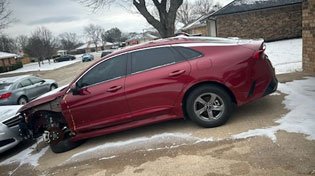
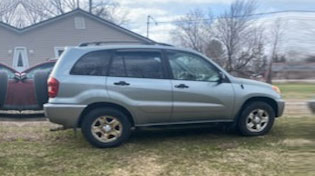
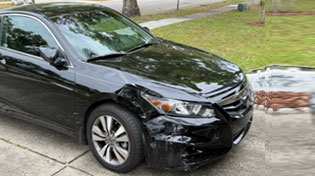
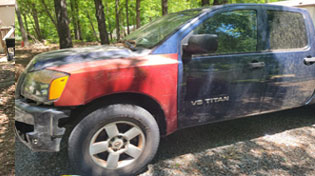
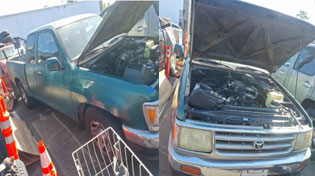

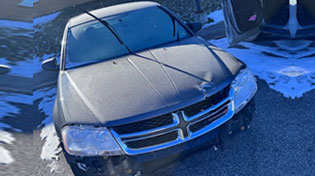
Broken and Non-Running Cars You Can Request an Offer For
A vehicle may have a failed engine, transmission problem, electrical no-start issue, repeated overheating, or another mechanical fault. See the guides for cars with a blown engine, non-running vehicles, and cars with broken transmissions.
For collision, fire, flood, hail, or structural damage, use the damaged-car selling guide instead.
Have any diagnosis or repair estimate, mileage, keys, ownership documents, and VIN available. If you are weighing repair against an as-is sale, compare both options before authorizing work. If you accept an offer, confirm the amount, payment method, pickup details, and required documents before releasing the vehicle or ownership paperwork.

What Documents Do I Need to Sell a Broken Car in New York?
For a New York vehicle from model year 1973 or newer, the normal proof of ownership is the original title. The seller named on it signs the transfer section and provides a bill of sale. For a 1972-or-older vehicle, a transferable registration can serve as ownership documentation when properly transferred with a bill of sale. See the New York DMV proof-of-ownership guidance.
For a 2011-or-newer vehicle still within New York's 20-model-year odometer disclosure period, the seller must complete the odometer disclosure. The damage disclosure on a New York title must be completed regardless of the vehicle's age.
If the title is lost, stolen, or damaged, New York DMV provides a duplicate-title process; once a duplicate is issued, previous titles are no longer valid for transfer. If a lien shown on the title has been satisfied, the seller can transfer the original title with the original proof of lien satisfaction without first obtaining a newly printed lien-free title. See the New York DMV lienholder guidance.
Before the sale, remove the New York plates and windshield registration sticker. Unless transferring the plates to another vehicle, DMV advises surrendering them before canceling or allowing liability insurance to lapse. See the New York DMV selling guidance.
Pickup for a Non-Running Car in New York
Provide the exact address or ZIP code and explain anything affecting loading, such as a parking garage, tow yard, restricted access, locked steering, missing wheels, or a vehicle that cannot roll.
Confirm Access Before Making Pickup Plans
Pickup availability should be confirmed for the location and vehicle condition. Repair shops, storage facilities, curbside locations, and private property can have different release or loading requirements.
Mechanical details: note whether it starts, runs, rolls, steers, and brakes.
Ownership: check the title or transferable registration, listed owner, and any lien.
Access: mention gates, garage clearance, missing wheels, or storage rules.
If junk-car removal rather than mechanical-failure selling is the main need, use the existing New York junk-car service, which provides its current city navigation. For collision or other physical damage, use the damaged-car guide instead.
Ready to Request an Offer for Your Broken Car?
If you would rather evaluate an as-is sale than authorize another major repair, submit the vehicle details and describe the problem accurately. Clear condition, ownership, and location information helps with the next step without assuming unconfirmed pickup or payment terms.
Frequently Asked Questions About Selling a Broken Car in New York
What if the mechanical problem has not been diagnosed?
Describe the symptoms you know, including whether the car cranks, starts, moves, overheats, loses power, or shows warning lights. Share a shop diagnosis if you have one, but do not guess at an unconfirmed cause.
What ownership document does New York require for my model year?
For most 1973-or-newer vehicles, New York uses the original title. For qualifying 1972-or-older vehicles, a transferable registration can serve as ownership documentation when properly transferred with a bill of sale.
What if my New York title is lost?
The titled owner can request a duplicate from New York DMV. Once it is processed, earlier title certificates are no longer valid for transfer.
What if a lien is still printed on the title but the loan was paid?
Keep the original lien release. New York DMV says it can accompany the original title instead of first obtaining a newly printed lien-free title.
What should I do with my New York plates after selling the car?
Remove the plates and windshield registration sticker. Unless transferring the plates to another vehicle, surrender them before canceling or allowing liability insurance to lapse.
Can MV-35 be used to sell any broken car without a title?
No. MV-35 is a narrow no-title procedure for qualifying older, low-value vehicles transferred to specific New York DMV-registered junk or salvage businesses, such as a vehicle dismantler, itinerant vehicle collector, or certified scrap processor. The vehicle is for dismantling or scrap and cannot later be titled for normal road use. Check current DMV eligibility before relying on this exception.

