

 Over 25,000 cars purchased nationwide

If a major repair has made you question whether a Kansas vehicle is worth fixing, you can request an offer for it as-is. Gather the year, make, model, mileage, whether it starts or drives, any diagnosis or repair estimate, title or lien status, ZIP code, and pickup location.
What Affects the Value of a Broken Car in Kansas?
Start with the problem itself: what failed, whether the vehicle starts or moves under its own power, and whether major components are still present. Year, make, model, mileage, overall condition, ownership status, and location also help establish what the vehicle may be worth as it sits.
If you have a diagnosis or repair estimate, include it. Otherwise, describe the symptoms you can observe rather than guessing at the cause.

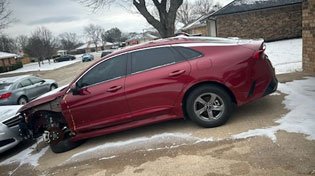
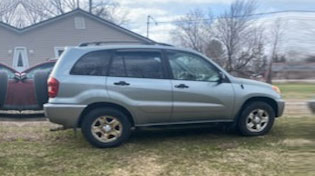
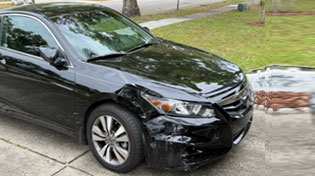
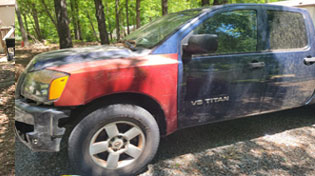
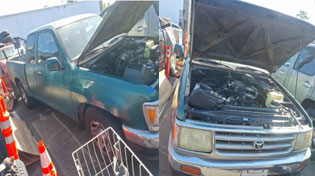


Broken and Non-Running Cars You Can Submit for an Offer
You can request an offer for a car with engine or transmission trouble, major electrical or mechanical failure, or a condition that keeps it from starting or driving normally. For condition-specific guidance, see ByeCar’s pages about selling a car with a blown engine, selling a car with a broken transmission, and selling a non-running car.
If the problem is diagnosed, compare the repair estimate with how useful the car would be afterward. If the diagnosis is uncertain, factor in possible additional work as well as towing, storage, or diagnostic costs. Selling as-is is one option when you would rather not keep investing in an uncertain repair.
Disclose known problems and pickup limitations. Payment terms are confirmed with the offer. ByeCar states that payments are typically made by check or wire transfer.

What Documents Do You Need to Sell a Broken Car in Kansas?
For a standard transfer of a Kansas-titled used vehicle, Kansas Department of Revenue guidance says the title assignment includes the purchase price, date of sale, odometer reading, and required buyer and seller names and signatures. Kansas also says the previous owner must remove the license plate after the title is assigned and the vehicle is delivered.
If a Kansas paper title is lost, mutilated, or illegible and no lienholder is recorded, Kansas provides Form TR-720B for a replacement-title request. If a lienholder remains on the vehicle record, the lien must be addressed before a clear replacement title can be issued.
Kansas holds titles electronically while a security interest is recorded. A lien release is required to obtain a clear paper title. Treat an electronic title, a lost title, and an active lien as different situations rather than assuming they require the same paperwork. See the state’s Kansas E-Lien guidance for details.
Kansas does not require emissions testing. VIN inspections are separate and apply only in defined titling situations, including out-of-state-title transfers and certain rebuilt-salvage applications. They are not a blanket requirement for every Kansas vehicle sale.
Preparing a Broken Car for Pickup
Provide the exact location and anything that could affect access. Say whether the car is at a residence, repair shop, storage facility, or controlled-access property, and whether it rolls, steers, brakes, has keys, or is missing wheels or major parts. Pickup availability and timing should be confirmed for the specific vehicle and location.
Kansas Pickup and Service-Area Information
This page covers Kansas at the state level. Provide the vehicle’s Kansas ZIP code and access details so pickup availability and logistics can be confirmed for the specific location.
Share an accurate description of the mechanical problem and whether the vehicle starts or moves.
Have available ownership documents, lien information, and keys ready if you have them.
Confirm the offer, payment method, pickup location, and timing before handing over the vehicle.
If physical accident or weather damage is the main issue, see ByeCar’s damaged-car service. If the vehicle is genuinely end-of-life rather than simply mechanically broken, see the Kansas junk-car service.
Request an Offer for Your Broken Car in Kansas
If repairing the vehicle no longer makes sense, submit its details, known problems, title or lien status, and location to request an offer. Accurate information helps clarify the next steps without assumptions about value, paperwork, or pickup.
Frequently Asked Questions About Selling a Broken Car in Kansas
These answers cover practical Kansas questions that may arise before an offer or pickup.
Can I request an offer if my car will not start?
Yes. Explain what happens when you try to start it and whether the car can roll, steer, brake, or be moved. Include a diagnosis if you have one.
What if I lost my Kansas title?
If no lienholder is recorded, Kansas provides a replacement-title process through Form TR-720B for a lost, mutilated, or illegible title. If a lienholder remains on the record, address the lien first.
What if my Kansas title is electronic because there is a lien?
Kansas generally holds the title electronically while a security interest is recorded. A lien release is required for a clear paper title, so confirm the lien status before arranging a transfer.
Do I keep the license plate after selling my car in Kansas?
No. Kansas instructs the previous owner to remove the license plate after the title is assigned and the vehicle is delivered.
Does Kansas require an emissions test before I sell a broken car?
No. Kansas does not require emissions testing. A VIN inspection is a separate requirement that applies only in certain titling situations.
When does Kansas require a VIN inspection?
Not every sale requires one. Inspections apply in specified situations, including vehicles entering Kansas with an out-of-state title and certain rebuilt-salvage applications.
What should I disclose before pickup?
Provide the location, access restrictions, whether the car rolls, steers, or brakes, whether keys are available, and whether major parts or wheels are missing.

