

 Over 25,000 cars purchased nationwide

If a car no longer starts, drives, or makes financial sense to repair, selling it as-is can be an alternative to another repair. Start with the vehicle and contact details requested by the quote form. Have the VIN, mileage, known mechanical issue, title status, exact location, and whether the car rolls and steers ready if more information is needed.
What Is a Broken Car Worth in Alaska?
A mechanical failure does not automatically erase a vehicle's value. An evaluation can consider the year, make, model, mileage, overall condition, missing parts, title status, location, and the problem keeping the car from running or driving.
If you have a diagnosis or repair estimate, include it. Otherwise, describe what you know about whether the car starts, runs, drives, rolls, steers, or brakes.
The examples below are nationwide ByeCar purchase examples across vehicle conditions, not Alaska-specific broken-car valuations. An individual offer depends on the vehicle and its location.

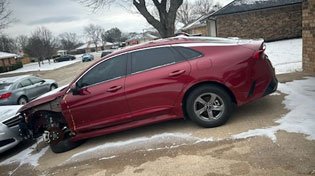
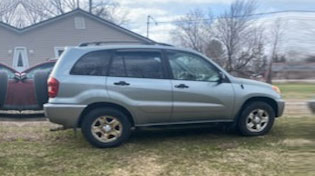
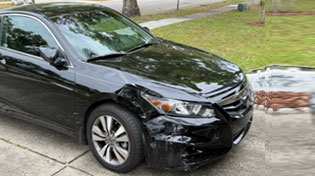
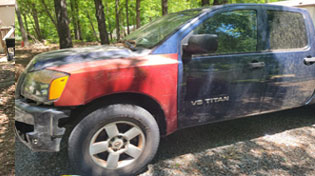
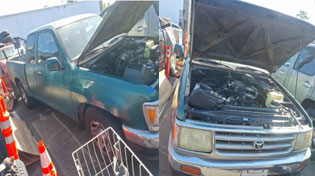

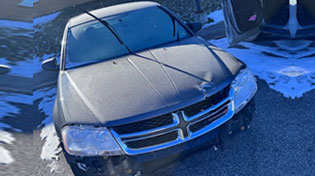
Broken and Non-Running Cars We Can Evaluate
A broken car may have engine failure, transmission trouble, an electrical no-start issue, or another problem that leaves it mechanically inoperable. See the guides for cars with a blown engine, non-running vehicles, and cars with broken transmissions.
If collision, fire, flood, hail, or structural damage is the main issue, use the damaged-car selling guide.
Before requesting an offer, gather the VIN if available, mileage, keys, ownership documents, and any diagnosis or estimate. Note the car's current location and access restrictions. If you are comparing repair with selling, review the repair estimate against an as-is offer before authorizing work.
If you accept an offer, confirm the final amount, payment method, pickup details, required documents, and who needs to be present before releasing the vehicle or title.

What Paperwork Do I Need to Sell a Broken Car in Alaska?
For a standard Alaska sale, the seller must complete the title assignment and give the original title to the buyer. The Alaska DMV selling guide also advises submitting a Notice of Vehicle Sale for Transfer. With "AND" between owners, all listed owners must sign; with "OR," one listed owner can release the title.
A bill of sale is useful as a record but does not transfer ownership by itself. For a lost, stolen, destroyed, or damaged Alaska-issued title, follow the duplicate-title process before transfer. If a lienholder remains recorded, review the DMV lien-release requirements.
Salvage, junk-branded, incomplete, or out-of-state-title vehicles can require different documentation. Review Alaska's salvage-title guidance when it applies.
Pickup for a Non-Running Car in Alaska
Provide the exact vehicle location and anything affecting access, such as a gate, parking structure, repair shop, tow yard, missing wheels, locked steering, or a vehicle that cannot roll. Pickup availability and required equipment should be confirmed for that location.
Why Your Exact Alaska Location Matters
Vehicle access varies significantly by Alaska community. The Alaska Marine Highway System serves more than 30 communities along roughly 3,500 miles of coastline, so statewide transportation should not be treated as one uniform road network. Provide the exact address or ZIP code and whether the vehicle is road-accessible before relying on a towing plan.
Condition: note whether it starts, runs, rolls, steers, and brakes.
Ownership: identify every owner and lien shown on the title.
Access: note gates, garage clearance, tow-yard rules, or missing wheels.
For end-of-life vehicles where junk-car removal is the main need, see the existing Alaska junk-car service. Anchorage sellers can also review the live Anchorage junk-car service. For collision or other physical damage, use the damaged-car guide.
Ready to Request an Offer for Your Broken Car?
If repairing the car no longer makes sense for you, request an offer based on the vehicle as it sits. Accurate condition, ownership, and location details make it easier to discuss the next steps without assuming repairs or pickup arrangements that have not been confirmed.
Frequently Asked Questions About Selling a Broken Car in Alaska
These answers cover practical questions that may come up before an offer or pickup is discussed.
What if I do not know exactly what is wrong with my car?
Describe what you know: whether it cranks, starts, moves, shows warning lights, leaks fluids, or stopped running suddenly. Share a mechanic's diagnosis if you have one.
Can I request an offer while the car is at a repair shop or tow yard?
You can request an offer while it is there. Before pickup, confirm your authority to release the vehicle and check storage charges, access hours, and release requirements.
Can I request an offer if the car still runs?
Yes. Explain the mechanical problem, whether the car can currently be driven, and any diagnosis you have.
Do I need to move the car before requesting an offer?
Do not assume a move is necessary just to request an offer. Provide its current location and access details first, then confirm any pickup arrangement.
What if the car is missing wheels or other major parts?
Disclose missing wheels, keys, engine or transmission components, or other parts that could affect the vehicle's condition or ability to roll.
Can pickup be arranged in every Alaska community?
Pickup should be confirmed for the exact location. Share the address or ZIP code, road access, and whether the vehicle rolls and steers.

