

 Over 25,000 cars purchased nationwide

If you want to sell your Jeep because it needs repairs, no longer fits your needs, or cannot be driven, start by describing its actual condition. A Wrangler with aftermarket equipment raises different questions from a Grand Cherokee with transmission trouble or a Gladiator damaged in a collision. ByeCar accepts Jeep details for evaluation, but whether an offer is available depends on the vehicle and transaction circumstances. The quote form is a starting point; further condition and ownership details may be requested during review.
How Much Is My Jeep Worth?
There is no single dependable price for a used or junk Jeep. Model year and mileage matter, but so do the configuration, mechanical condition, title status, and whether major components are still present. Even two similarly aged Wranglers can receive different evaluations if their mechanical condition or completeness differs.
Model and configuration. Identify whether you have a Wrangler, Grand Cherokee, Gladiator, Cherokee, Compass, or another model. Trim, engine, transmission, and four-wheel-drive equipment help distinguish one vehicle from another.
Condition and completeness. Report whether it starts, moves under its own power, shifts properly, and has collision, water, rust, or electrical damage. Missing doors, wheels, driveline components, or interior equipment may change what a buyer can do with it.
Documentation and location. A transferable title and accessible parking location can make a transaction more straightforward. A lien, unclear ownership, or a Jeep that cannot be reached by ordinary transport may require additional review.
A complete Jeep may have resale, repair, or usable-parts value beyond its metal content, while a heavily stripped vehicle may be assessed differently. For the distinction between vehicle value and recycling value, see our car scrap value guide. None of these factors establishes a guaranteed offer amount.

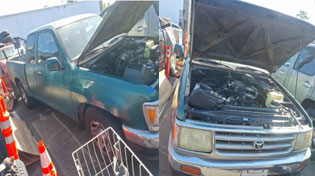

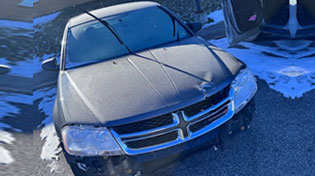
Which Jeep Models and Conditions Can Be Submitted for Evaluation?
Owners can ask about a variety of Jeeps, including the Wrangler and Wrangler Unlimited, Grand Cherokee, Gladiator, Cherokee, Compass, Renegade, and older models such as the Liberty or Patriot. Each is evaluated according to its own details; naming a model here does not guarantee that ByeCar will purchase every example.
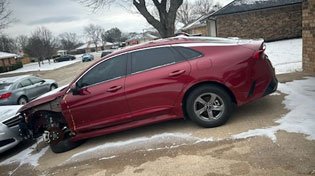
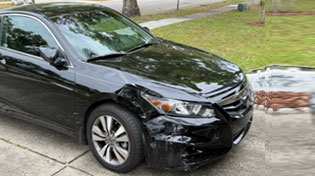
You can describe a Jeep that is older, high-mileage, damaged, or not running. Relevant issues include engine or transmission failure, collision damage, heavy corrosion, suspension problems, missing components, flood exposure, and an existing salvage or rebuilt title. An offer is not automatic, and incomplete vehicles or certain title situations may call for further documentation.
For broader information about selling a damaged vehicle or selling a non-running car, see the dedicated guides. You do not need to diagnose every problem before asking for an evaluation; accurate observations are more useful than guesses.
Jeep-Specific Details That Can Change a Selling Decision
Wrangler: Tops, Doors, Four-Wheel Drive, and Modifications
Wranglers vary by top, doors, drivetrain, and aftermarket equipment. State whether the original doors and top are included, whether four-wheel drive works, and whether the underbody is damaged. Jeep's Wrangler information illustrates why the exact configuration matters.
Identify lift kits, larger tires, winches, modified bumpers, or suspension changes. Modifications do not automatically increase an offer; installation quality, original parts, and mechanical condition can matter. Do not remove accessories just before an agreed sale without first confirming what is included.
Grand Cherokee, Cherokee, and Other Jeep SUVs
For a Grand Cherokee, Cherokee, Compass, or Renegade, explain whether the engine starts, transmission engages, dashboard shows warnings, and drivetrain works. Disclose accident repairs and water damage rather than assuming cosmetic condition tells the whole story.
Owners of a Wrangler 4xe or Grand Cherokee 4xe should identify the plug-in hybrid variant and disclose battery warnings, flood exposure, or collision damage. If the high-voltage system may be damaged, do not handle its components yourself; explain the situation before any inspection or transport. Jeep provides 4xe owner information, and NHTSA's electric and hybrid vehicle guidance explains related safety precautions. Purchase and transport eligibility must be confirmed for the individual Jeep.
Gladiator: Truck Bed, Frame, and Off-Road Use
The Gladiator is a Jeep pickup, so bed damage, towing-related wear, drivetrain condition, and frame issues can be especially relevant. Mention heavy impacts, underside damage, alterations to suspension or tires, and whether the Jeep can be steered and rolled. A damaged bed or altered suspension does not by itself determine the vehicle's offer.
Should You Repair Your Jeep or Sell It As-Is?
Compare a repair estimate with the Jeep's likely post-repair value and the costs of keeping it. A minor repair may be worthwhile, especially if private-sale or trade-in options are attractive. Major drivetrain or structural repairs may be harder to justify. Compare options before authorizing work.
A Jeep that is unsafe to drive should not be driven just to obtain an offer. Learn more about vehicles with engine failure and rusted-frame vehicles.

What Documents Do I Need to Sell My Jeep?
A title matching the vehicle identification number (VIN) is commonly needed. Depending on the state, identification, an odometer disclosure, lien-release paperwork, or other documents may also be required. Have the keys and any available ownership records ready, but do not assume that a missing title or an outstanding loan can be resolved through an ordinary sale.
If your Jeep has a salvage or rebuilt title, disclose that status early. If the title is lost, ask the relevant state motor vehicle agency about replacement and acceptable proof of ownership before making commitments. ByeCar can review the situation, but no-title acceptance or lender payoff is not guaranteed.
Seller responsibilities also vary by state. For example, the California DMV explains its notice-of-transfer requirement, while the Texas DMV provides a vehicle transfer notification process. Follow the requirements that apply where your Jeep is titled or registered, and keep copies of the completed transaction records.
What Should I Tell a Buyer About My Jeep?
The initial form requests basic details. Be ready to provide additional information if requested:
- Exact vehicle: Model year, model, trim if known, mileage, and VIN when appropriate.
- Running condition: Whether it starts, drives, shifts, steers, and brakes; note any warning lights.
- Damage: Collision, flooding, fire, underbody rust, frame concerns, or missing major parts.
- Jeep equipment: Four-wheel-drive issues, top or door configuration, lift kits, wheels, and other modifications.
- Ownership: Title status, any existing lien, and whether the listed owner can complete the sale.
- Location and access: ZIP code, parking situation, and whether the Jeep can be moved onto a transport vehicle.
Describe symptoms accurately even if a mechanic has not identified the cause. If additional photographs are requested, images of the exterior, interior, dashboard, visible damage, and relevant modifications can help communicate the condition. You can use NHTSA's VIN decoder to check some manufacturer-reported vehicle details when the VIN is available.
How Do Pickup and Payment Work When Selling a Jeep?
If an offer is available, review its terms before committing: vehicle condition, amount, payment method, any fees, and whether collection can be arranged at the actual location. Transportation availability and timing depend on the circumstances; do not assume that towing is free or available from every ZIP code.
Although "sell your Jeep for cash" is common buying-service language, ByeCar's published disclosure says payments are typically made by check or wire transfer, not necessarily physical cash. Confirm the specific payment arrangement, when payment will be issued, and when funds will be available before handing over the Jeep. Follow the terms agreed for your transaction rather than assuming that a general website promise applies.
Preparing a Jeep That Cannot Be Driven
If the Jeep cannot start, steer, roll, or shift into neutral, mention that before collection. Explain any access restrictions, such as a locked lot, repair shop, steep driveway, or tight garage. Do not assume that a buyer can recover it from difficult terrain or that special equipment is included.
Before handoff, remove belongings, locate keys, check the VIN against ownership records, and confirm plate and notification requirements. Review documents before signing.
Describe the Jeep accurately. Disclose known damage and missing equipment so an evaluation is based on the vehicle's actual condition.
Confirm the ownership paperwork. Resolve questions about the title, lien, and applicable seller notices before transfer.
Review the complete terms. Confirm pickup arrangements, any charges, payment method, and required signatures before agreeing to hand over the vehicle.
For other vehicle makes, visit the Sell Your Car directory. The condition guides linked above cover non-running vehicles, engine failure, and frame corrosion. Confirm the terms for your particular Jeep before agreeing to sell.
Request an Offer for Your Jeep
Whether you have a Wrangler, a damaged Grand Cherokee, or a non-running Jeep, start with its details. Submit the basic details through the quote form or contact ByeCar with questions. Review any offer and the proposed transaction terms before deciding whether to proceed.
Frequently Asked Questions About Selling a Jeep
How is an offer for my Jeep determined?
An evaluation can depend on the model, trim, mileage, condition, missing parts, title, and location. Wrangler equipment and Gladiator body damage may matter differently from Grand Cherokee issues. Generic values and scrap estimates are not guaranteed offers. Provide accurate details for individual review.
Can I sell a Jeep that does not start or drive?
You can submit a non-running Jeep for review. Explain the known problem and whether it rolls, steers, and is accessible for collection. Engine failure, transmission trouble, corrosion, or missing parts may affect value or eligibility. Purchase and transport depend on individual review.
Do lift kits, large tires, or aftermarket parts increase a Jeep's value?
Not necessarily. A buyer may consider installation quality, missing original parts, and potential repair work. Identify the changes and whether factory components remain available. The cost of an upgrade is not necessarily recovered in a purchase offer.
Can I sell my Jeep with a salvage title or no title?
A salvage or rebuilt title should be disclosed during the initial discussion, because it can affect the documents and options available. Selling without a title depends on lawful ownership and the rules of the relevant state. If yours is lost, contact the state motor vehicle agency about a replacement. Do not assume ByeCar can purchase every untitled vehicle or resolve an outstanding lien.
Should I repair my Jeep before requesting an offer?
Not always. Compare repair costs with estimated post-repair value and other selling options. Minor repairs may make sense, while extensive drivetrain or structural work may not pay for itself. You can request an evaluation without first repairing known problems.
What should I confirm about pickup and payment?
Confirm whether pickup is available at the Jeep's location, whether transportation charges apply, what documents are needed, and what method and timing of payment have been agreed upon. Tell the buyer if the Jeep cannot roll or is difficult to access. ByeCar's public payment disclosure identifies check or wire transfer as typical methods, so do not assume literal cash or immediate availability of funds.

