

 Over 25,000 cars purchased nationwide

After a vehicle fire, the visible damage may be only part of the problem. Heat, smoke, and water used to extinguish the fire can affect parts of a car that still look intact. If you own a fire-damaged vehicle and are considering selling it rather than repairing it, ByeCar can review the details. The severity of the damage, your ownership documents, and whether the vehicle can be collected safely all matter.
How Much Is a Fire-Damaged Car Worth?
There is no single price for a burned car. A vehicle with smoke exposure in the cabin is not necessarily valued the same way as one with a destroyed engine compartment or extensive structural damage. Even two cars with similar burn patterns can differ in remaining value.
An evaluation may consider the year, make, model, mileage, location of the fire, condition of undamaged components, missing parts, and title status. Demand for usable components or recoverable materials can matter, as can the car's location and the work required to collect it. Photographs and an accurate description can help clarify the condition, but neither guarantees an offer.
A scrap-metal estimate alone may not reflect the whole vehicle. Our guide to car scrap value explains how weight and parts can influence a general scrap estimate. It should not be treated as a promised payment for a fire-damaged car.

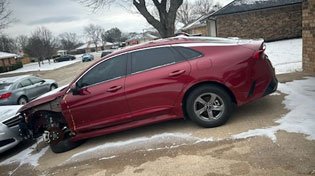
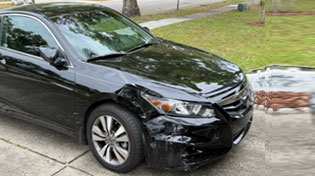

Can You Sell a Car That Has Been Damaged by Fire?
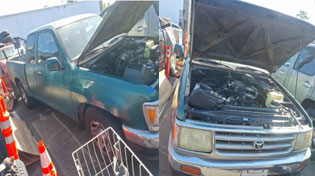
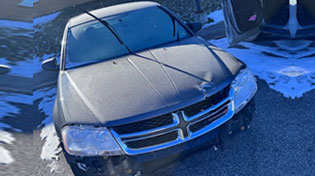
You can request an evaluation for a car affected by smoke, heat, an engine-bay fire, or more extensive burning. Whether a purchase can proceed depends on what remains of the vehicle, its documentation, the severity of any safety hazards, and the possibility of arranging collection.
A car does not need to be running for you to describe it to ByeCar. However, do not start or drive a fire-damaged vehicle just to establish that it operates. Some vehicles require special handling, and a heavily burned car may not be eligible for ordinary transportation. Disclose known battery involvement, missing wheels, damaged tires, and anything that could make loading unsafe.
Why the Location and Severity of the Fire Matter
Where the fire started often tells a different story from how the exterior looks. The following scenarios help identify what to report, not what ByeCar will pay or automatically accept.
| Fire-related condition | What may be affected | Useful details to report |
|---|---|---|
| Smoke or limited heat exposure | Interior materials, odors, ventilation, and electronics | Where smoke entered, whether flames reached the cabin, and what damage is known |
| Engine-bay fire | Wiring, hoses, engine accessories, nearby body panels, and other systems | Where the fire began, how far it spread, and whether the vehicle was assessed by a professional |
| Passenger-cabin fire | Seats, dashboard, controls, glass, and electrical components | Which areas burned and whether airbags, instruments, or interior wiring were affected |
| Extensive or near-total burn | Body structure, mechanical parts, tires, and the vehicle's ability to roll or be loaded | Areas remaining intact, current location, and any known recovery restrictions |
| Electric or hybrid vehicle fire | Potentially hazardous high-voltage components and specialized recovery needs | Powertrain type, suspected battery involvement, and any instructions from responders |
A vehicle may fit more than one category. Describe only what you know. You do not need to inspect hidden components or approach an unsafe car to complete an inquiry.
Should You Repair the Car, File an Insurance Claim, or Sell It?
Check whether you have insurance that may cover the fire and whether a claim is still open. The Insurance Information Institute explains that comprehensive insurance generally includes fire damage, subject to policy terms and deductibles. The cause of the loss, coverage exclusions, and claim circumstances can affect the outcome. Ask your insurer whether an inspection or other documentation is required and who will own the salvage if a total-loss settlement occurs.
If a qualified repairer has assessed the car, compare the repair estimate with the vehicle's pre-fire value and any insurer settlement. Fire can involve wiring, safety systems, and other damage that is not obvious from photographs. A sale may be worth considering when repair is uneconomical, coverage is unavailable, or you have decided not to restore the vehicle. The choice depends on your circumstances, not on an assumed cash value.
What to Have Ready for a Fire-Damaged Car Review
Start with the year, make, model, ZIP code, and contact information requested by the form. The additional details below can help with a vehicle review, even if they are not fields on the initial form. Share them by phone or during any follow-up discussion, using information you already have or can obtain safely.
- Year, make, model, approximate mileage, and the ZIP code where the car is located.
- Whether the damage involved the cabin, engine bay, exterior, battery, or multiple areas.
- Whether the car starts, rolls, steers, has keys and wheels, or is known to be unsafe. Do not test it to find out.
- Title or registration status, any outstanding lien, and whether an insurer has declared a total loss or retained the vehicle.
- Whether the car is in a driveway, repair shop, tow yard, or storage facility, including any access or release restrictions.
- Existing photographs or reports, if available. Do not approach the vehicle to obtain new ones while hazards remain.

Insurance, Ownership, and Title Documents After a Car Fire
Before agreeing to a sale, establish who has the right to transfer the vehicle. If an insurer has settled a total-loss claim and taken ownership of the salvage, the former owner cannot simply sell it again. If you retained the vehicle under the settlement, make sure the retention and title records are properly handled before offering it to a buyer.
Salvage and nonrepairable classifications are governed by state rules. For example, the Texas Department of Motor Vehicles identifies fire damage among vehicle history brands, while the California DMV explains specific owner-retained salvage documentation. Neither state's procedure should be assumed to apply nationwide.
If the title is lost, a lien remains, or an insurer is still deciding the claim, explain that situation before proceeding. You may need a duplicate title, lien release, insurer authorization, or another state-approved document. A bill of sale does not necessarily replace a required certificate of title, and submitting a vehicle for review does not guarantee a title-free transaction. Check the agency responsible for titles in your state and retain appropriate transfer records.
Safety Comes Before Moving a Burned Vehicle
If a vehicle is actively burning or shows renewed smoke or signs of fire, keep away and call 911. The U.S. Fire Administration's vehicle-fire guidance advises people not to return to a burning car or open a hood or trunk if a fire may be inside.
Do not attempt to start, charge, dismantle, or move a vehicle that may still be unsafe. Damaged electric and hybrid vehicles deserve particular caution: NHTSA warns that high-voltage components can remain energized and that a damaged battery can create immediate or delayed fire hazards. Follow directions from emergency responders, your insurer, and qualified recovery professionals. Inform anyone assessing collection if the vehicle is electric or hybrid or if battery damage is suspected.
What Happens After You Request an Evaluation?
Begin with the basic vehicle details requested in the form. You can explain the fire's location and severity, insurance or title status, and any collection restrictions when speaking with ByeCar. If an offer is proposed, review the amount, conditions, documents, collection availability, and payment arrangements before deciding whether to proceed.
The actual vehicle and its documentation may need verification. Significant differences from the condition originally described, such as previously undisclosed burn damage, missing components, or a title problem, can affect whether the transaction proceeds on the proposed terms. If terms change, review the revised proposal before agreeing to the final transaction. For the site's general selling stages, see ByeCar's process.
Vehicle Location, Collection, and Payment
Tell ByeCar whether the car is at home, a repair facility, an impound lot, or a storage yard. Note gate restrictions, narrow access, missing wheels, immovable steering, and whether another person or facility must authorize release. Collection availability, costs, and scheduling depend on the specific vehicle and location; they should be agreed before handover. Storage or impound fees may need separate attention.
ByeCar's sitewide payment disclosure identifies check or wire transfer as the typical payment methods. Before agreeing to a sale, confirm the payment method, timing, final amount, and conditions for releasing the vehicle. Do not assume that payment will occur at pickup or on a particular day.
Safety first. Do not enter or handle a vehicle that responders or qualified professionals have not cleared as safe.
Confirm your right to sell. Check insurance ownership, title branding, and any lien before agreeing to transfer it.
Describe access accurately. Damage severity and loading restrictions are essential to evaluating collection options.
If your car has other major problems, you can explore selling damaged cars, the totaled-car page, or water-damaged vehicle guidance. For general ownership and process questions, consult the ByeCar FAQ.
Request an Offer for Your Fire-Damaged Car
A useful first step is an accurate account of what happened to the car, what is known about its condition, and whether you are authorized to sell it. Submit the vehicle's basic information using the form or contact ByeCar about a fire-related condition that is difficult to describe. An inquiry is an opportunity for individual review, not a guaranteed purchase or collection commitment.
Frequently Asked Questions About Selling a Fire-Damaged Car
The answers below address situations that often require additional review before a sale can proceed.
Can I sell a car that was almost completely destroyed by fire?
You can describe it and request an evaluation, but extensive burning may leave too little recoverable value or create collection hazards. Eligibility depends on the particular vehicle, available documents, and safe transport options. Do not move the vehicle to make it easier to sell.
Does smoke damage affect a car's value even without major burns?
It can. Smoke contamination, lingering odor, heat exposure, and possible effects on interior or electrical components can influence the condition assessment. Explain where the smoke traveled and any damage already documented. A photograph of an intact exterior does not establish that the vehicle has no hidden problems.
Can I sell a fire-damaged car after an insurance company declares it a total loss?
Only if you still have the legal right to transfer it. Some settlements transfer the salvage to the insurer; in an owner-retained settlement, different title and reporting requirements may apply. Confirm the disposition of the claim and the ownership paperwork before seeking a separate sale.
What if the title is missing or the vehicle has a salvage or nonrepairable title?
Disclose the exact title status when requesting a review. The required documents vary by state and vehicle classification, and some transactions may not be permitted without a replacement title or other approved records. Do not assume that a bill of sale alone is enough.
Can an electric or hybrid car be evaluated after a fire?
You can submit information about the vehicle, including whether the high-voltage battery may have been involved. Purchase eligibility and recovery arrangements require individual review; they cannot be promised in advance. Do not touch damaged high-voltage parts, attempt charging, or arrange ordinary towing without qualified guidance.
Can collection be arranged if the burned car will not roll or is in a storage yard?
Possibly, depending on the vehicle, access, release authorization, safety condition, and available transport options. Report the location and restrictions before any arrangement is made. Check whether storage, release, or additional collection charges apply and who is responsible for them.
How and when would I be paid if an offer is accepted?
ByeCar's published payment disclosure identifies check or wire transfer as typical methods. Confirm the exact method, amount, timing, and release conditions for your transaction before handing over the vehicle. Payment should not be assumed to occur immediately or on a particular day.
Can the offer change after the car is inspected?
A proposed amount may need reassessment if the vehicle, title, or collection circumstances differ materially from what was disclosed. Ask which details the offer depends on, when the amount becomes final, and whether you can decline revised terms before completing the transaction.