

 Over 25,000 cars purchased nationwide

Your car may still have value without its catalytic converter.
If the converter was stolen, removed during repairs, or damaged beyond use, you may be able to sell the vehicle without replacing it first. The next step is understanding its condition, remaining value, and transfer requirements.
Submit your car's year, make, model, location, and running condition to ByeCar for review. Disclose the missing converter and related damage so the purchase eligibility can be evaluated.
- Identify whether the converter is missing or damaged.
- Explain if the engine starts and the car can move.
- Report cut exhaust pipes or damaged sensor wiring.
- Check your title and any outstanding lien.
A vehicle review is not a guaranteed purchase offer.
How Much Is a Car Worth Without a Catalytic Converter?
A missing converter does not automatically make a car worthless. The impact on its value depends on the complete vehicle, not just the replacement price of the missing part.
There is no universal dollar deduction. The following are general considerations buyers may use, not a published ByeCar pricing formula.
Vehicles differ in resale potential, repair needs, parts demand and recycling value.
The engine, transmission, body and other usable components can influence value.
Cut pipes, damaged sensors or missing hardware can add repair work.
Whether the vehicle starts or moves affects its possible use and transportation.
Collection distance and loading conditions can affect transaction feasibility.
A transferable title and clear ownership records can simplify the sale.
Why the same missing part can mean different offers: A newer car with a working engine and a stolen converter may be evaluated differently from an older car with transmission failure and major rust. The converter's replacement cost is not necessarily the amount deducted from a whole-car offer.
For information about the component rather than the vehicle, read ByeCar's catalytic converter value study.

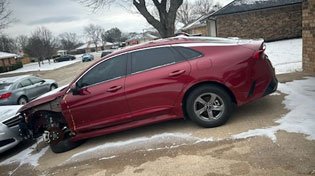
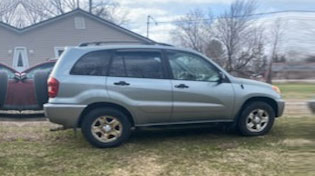
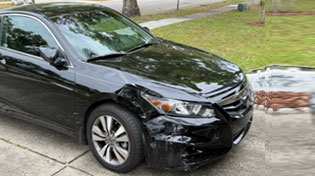
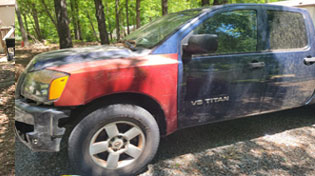
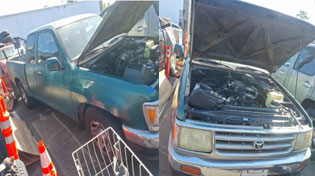

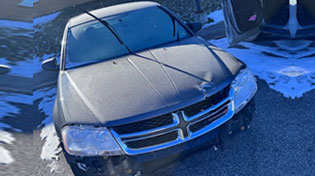
Can You Sell a Car With a Missing or Stolen Catalytic Converter?
A missing converter does not automatically make a vehicle impossible to sell. Eligibility depends on its condition, ownership documents, applicable laws and buyer requirements. Supplying vehicle details does not guarantee an offer.
The part was removed without permission, possibly leaving cuts in the exhaust or wiring.
The exhaust system was dismantled and a replacement converter was never installed.
The converter is missing alongside mechanical failure or other damage.
In every situation, describe what you know and avoid guessing about components you cannot identify.
What Happens When a Car Has No Catalytic Converter?
A catalytic converter helps reduce pollutants in engine exhaust. When required equipment is missing, the consequences may extend beyond the car's resale value.
Exhaust Noise, Damaged Pipes and Sensors
Converter theft may leave an opening in the exhaust system, creating loud noise and allowing exhaust gases to escape beneath the vehicle. Oxygen-sensor wiring, connectors, supports and adjacent pipes may also be damaged.
The effects vary according to how the part was removed. Do not assume every car has the same damage.
Check-Engine Lights and Emissions Testing
A vehicle originally fitted with a required converter may show warning lights or diagnostic codes and fail an emissions inspection. Being able to start the engine does not mean the vehicle is safe or legal to drive.
Operating or registering the vehicle and legally transferring ownership are separate questions.
If you suspect exhaust is entering the passenger compartment, avoid operating the car until it has been assessed. Exhaust leaks can expose occupants to dangerous gases, including carbon monoxide.
What the EPA says: Knowingly removing or disabling required emissions equipment without an appropriate replacement, outside applicable exceptions, constitutes prohibited tampering. The U.S. Environmental Protection Agency distinguishes that conduct from subsequent resale, which federal law does not specifically address in every circumstance. Defeat-device issues and state or local restrictions can still apply.
Do not assume every such sale is lawful or unlawful. If road-use compliance is uncertain, arrange an appropriate inspection or transportation instead of driving the car to a buyer.
Should You Replace the Catalytic Converter Before Selling?
Replacement can make sense if the car is otherwise dependable and you plan to keep driving it. Selling as-is may make more sense when repairs are expensive relative to its remaining value or other major problems already exist.
Compare these three things
- A compliant repair estimate. Include the correct converter, pipes, oxygen sensors, wiring and other damage.
- Likely value after repair. Consider mileage, age, mechanical condition and other needed work.
- An actual as-is offer. Compare real purchase terms with repair costs instead of relying on a generic scrap estimate.
Evaluate a compliant repair, particularly if you plan to keep it.
Compare repair estimates, potential insurance coverage and an as-is offer.
Consider whether fixing the exhaust would meaningfully improve value.
Selling as-is or recycling may be a practical alternative.
Not every aftermarket converter is compatible or lawful for every vehicle and jurisdiction. Replacing the converter alone will not fix cut wiring or damaged exhaust connections.
What if Your Catalytic Converter Was Stolen?
If the converter was stolen, document the condition before authorizing repairs or a sale. Take photographs from a safe position, record when you discovered the theft, and note any other visible damage.
- Consider reporting the theft to law enforcement under local procedures.
- Contact your insurer if you have comprehensive coverage and ask what may be covered.
- Retain reports, repair estimates, photographs and claim correspondence.
- If a claim is open, ask the insurer before selling or disposing of damaged components.
A vehicle transfer could affect a pending claim. Confirm the insurer's requirements and disclose the theft and any related damage to a prospective buyer.

What Documents Do You Need to Sell the Car?
Missing emissions equipment does not remove ordinary ownership and transfer requirements. Locate the title if available, confirm the ownership details, and disclose any outstanding lien or other legal interest.
Documents to check
- Certificate of title, where required.
- Valid identification.
- Lien-release documentation, if applicable.
- Authorization when someone acts for the owner.
- State-required transfer, sale-notice or release forms.
Missing or branded title?
A registration card or bill of sale is not universally sufficient when a title is missing. A replacement title or a specific legal exception may be required. A salvage or branded title can also affect the transaction.
Ask the relevant state motor vehicle agency about uncertain requirements, and confirm which responsibilities remain yours after the transfer.
What Should You Tell ByeCar About the Missing Converter?
Start with the year, make, model, mileage, ZIP code and whether the engine starts. Then share the details that distinguish a missing-converter vehicle from an ordinary used car.
- Is the converter absent or present but damaged?
- Was it stolen, removed during repairs or discovered missing later?
- Are exhaust pipes, sensors or wiring visibly damaged?
- Is the check-engine light on?
- Does the vehicle start, roll and steer?
- Are there other mechanical or collision problems?
- Is access restricted by parking, gates or terrain?
- Is there an inspection report or safe photograph to share?
If you do not know a component's condition, say so. Never crawl beneath an unstable vehicle just to take a picture.
How Pickup and Payment Work When Your Car Has No Converter
A car with a missing converter or damaged exhaust may need transport rather than being driven. Explain where it is parked, whether it rolls and steers, and whether a towing vehicle can reach it safely.
Availability, possible collection charges, timing and other purchase terms must be confirmed for the individual vehicle and location.
What if an offer is available?
Check what condition and components the amount covers, what might cause an adjustment, and which ownership documents will be required.
Before agreeing, confirm the payment method, when funds will be available, and any responsibilities for notice of sale, plates or insurance.
The phrase "cash for cars" describes a vehicle-buying service; it does not necessarily mean physical currency is paid.
Three things to confirm
- Vehicle condition. Disclose the missing converter and related damage.
- Transportation. Confirm vehicle access, fees and scheduling.
- Documents and payment. Understand the handoff and remaining obligations.
Other Damaged Vehicles ByeCar May Consider
If your vehicle also has engine, transmission, collision or other damage, describe all known issues when requesting a review. These resources explain related services and research.
See the broader range of conditions covered by the damaged-car service.
Explore service → Cash for Junk CarsUnderstand general options for selling an unwanted vehicle.
Explore service → Vehicle RemovalRead about the removal service and confirm terms for your vehicle.
Explore service →Request a Vehicle Review for Your Car Without a Catalytic Converter
You do not need to calculate the converter's replacement cost first. Describe whether it was stolen, removed or damaged, and include other known problems. A purchase offer, if available, depends on the vehicle details and applicable requirements.
Frequently Asked Questions About Selling a Car Without a Catalytic Converter
Common questions about value, condition, documentation and transporting a vehicle with a missing converter.
Can I Sell a Car if Its Catalytic Converter Was Stolen?
A vehicle with a stolen converter may still be eligible for sale. Disclose the missing part and related damage, and check whether an open insurance claim or transfer requirement needs attention before completing the transaction.
How Much Does a Missing Catalytic Converter Reduce My Car's Value?
There is no universal deduction. The impact depends on the vehicle's condition, remaining components, repairs, and resale or recycling potential. An actual whole-vehicle offer is more informative than applying a generic converter price.
Do I Have to Replace the Catalytic Converter Before Selling?
Not necessarily. Some vehicles may be sold as-is depending on law and buyer requirements. Compare the cost of a compliant repair with the vehicle's potential repaired value and any actual as-is offer.
What if the Exhaust Pipes or Oxygen Sensors Were Damaged?
Disclose known damage to pipes, wiring, sensors or surrounding parts. A repair estimate or inspection report can help explain the condition, but do not guess about parts you cannot identify.
Is It Legal to Sell a Car Without a Catalytic Converter?
Federal law prohibits unlawful tampering with required emissions equipment. EPA notes that subsequent resale is not specifically addressed by federal law in every circumstance, while defeat-device issues and state or local restrictions may apply. Check requirements for your vehicle and transaction.
Can I Sell a Car That Cannot Pass an Emissions Inspection?
Possibly, depending on applicable rules, the buyer and the transaction. Emissions noncompliance can affect registration and road use. Disclose the issue and do not assume the car may legally be driven.
Can I Sell a Car Without the Title?
Requirements depend on the state and ownership situation. A replacement title or other documents may be required, and an unresolved lien can complicate or prevent a sale. Confirm eligibility before proceeding.
Can My Vehicle Be Picked Up if It Should Not Be Driven?
Transportation may be possible depending on the vehicle, its location and service availability. Describe whether it rolls, steers and can be accessed safely. Confirm charges and timing before agreeing.