

 Over 25,000 cars purchased nationwide

What Helps Us Evaluate a Junk Car in Cedar Rapids?
Start with the vehicle's make, model, year, and Cedar Rapids-area ZIP code in the quote form. Those details identify the car and where it is located. If more information is needed, be ready to provide mileage, photos, title status, and a straightforward description of its condition.
An evaluation may consider whether the vehicle starts or drives, the extent of mechanical or collision damage, missing major components, and how easily it can be accessed. A car with a complete drivetrain can present a different situation from one without an engine or wheels. No advertised amount for another vehicle establishes what yours will be offered.
If you are weighing repair against sale, compare the written repair estimate with the car's likely value after repairs and how long you intend to use it. You can request an evaluation without repairing the car first. An offer, if available, should be reviewed before you agree to a transaction.

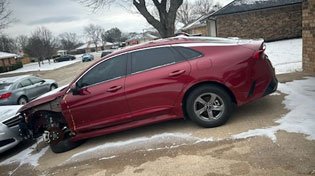
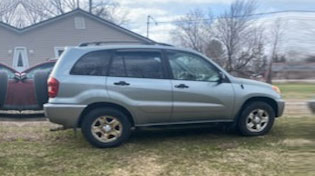
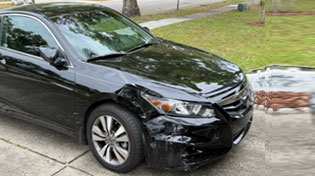
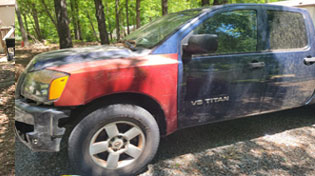
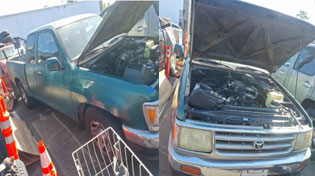

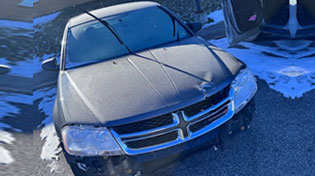
Junk, Damaged, and Non-Running Vehicles
ByeCar considers inquiries about unwanted passenger cars, SUVs, pickups, and vans. Examples worth describing include vehicles with engine or transmission trouble, heavy rust, collision damage, flood exposure, high mileage, or long periods out of use. A vehicle with missing parts may also be submitted for evaluation.
If the vehicle cannot move
Mention whether it starts, rolls, steers, or shifts into neutral, and whether you have the keys. Disclose missing wheels, major components, or significant damage rather than waiting until collection is discussed. These details can affect an evaluation and whether suitable pickup arrangements are available.
A salvage title, a missing title, or an outstanding lien may require additional review and documentation. None of these conditions establishes automatic purchase eligibility. The usual sequence is to submit details, review any proposed terms, clarify the ownership documents, and confirm the handoff arrangements before proceeding.
Cedar Rapids Rules for Junk and Inoperable Vehicles
When a vehicle may fall under the city's junk-vehicle ordinance
Under Cedar Rapids Chapter 25, a vehicle within city limits may qualify as a junk vehicle because of registration problems or specified conditions, including inability to move under its own power in forward and reverse. The ordinance treats junk and abandoned vehicles as potential public or private property nuisances. A car does not need to be parked beside a landmark or on a particular street for the rules to matter.
Storage exceptions and written notices
Chapter 25 includes exceptions for qualifying vehicles kept in a garage or another completely enclosed structure and for certain authorized premises, provided other city requirements are met. Parking an inoperable car in an ordinary open driveway is not automatically equivalent to enclosed storage.
For a junk vehicle on private property that violates Chapter 25, the city provides written notice to the property owner and the vehicle owner, if known. Under sections 25.07 through 25.09, the responsible person generally has seven weekdays after the notice is served as prescribed by the ordinance to correct the violation or remove the vehicle. That period runs from the mailing of certified notice or receipt of personal service, as applicable. Failure to comply can lead to city removal and assessed costs. This is an enforcement deadline, not a general grace period or a guarantee that collection can be arranged in time. If you have received a notice, follow its instructions.

Iowa Titles, Junking Certificates, and Required Paperwork
Standard transfers and a vehicle sold for junk
The Iowa Department of Transportation seller checklist explains that sellers must properly assign the title and provide applicable disclosures. For a vehicle being permanently sold for junk, Iowa DOT describes two common routes: assign the title to the buyer, or obtain a junking certificate from the county treasurer and assign that certificate. A junking certificate is not the same as a salvage title and generally ends the vehicle's eligibility for regular titling, apart from limited reinstatement procedures.
Linn County Treasurer's title-transfer guidance calls for a seller-signed bill of sale as part of a title transfer and explains how to complete the title assignment. Iowa DOT notes that the Transfer/Sale Date section on some updated title certificates can serve as the bill of sale; if the certificate lacks that section, a separate signed bill of sale is required. Check which format applies. Linn County's motor vehicle forms page links to replacement-title and junking-certificate applications.
Lost titles and the limited recycler exception
If the title is lost, Iowa DOT directs vehicle owners to request a replacement using Form 411033. See the state's vehicle-disposal guidance. Do not assume that a missing document can simply be waived.
Iowa Code section 321.52(2)(b) provides a limited route to dispose of certain vehicles at least 12 model years old without a title or junking certificate when a chapter 321H licensed recycler acquires the vehicle for scrap or junk for reasonable consideration of less than $1,000. Under the 2026 amendment, the recycler must use its access to state records to verify that no lienholder has a security interest, unless the vehicle is acquired from a qualifying scrap-metal dealer. This does not establish that ByeCar or any proposed buyer may use the exception, or that a particular vehicle qualifies. The $1,000 ceiling is a legal condition of that transaction route, not an expected offer.
Liens, salvage status, and disclosure requirements
If a lender holds a recorded security interest, confirm how it will be released before transferring ownership. Iowa DOT explains that a private individual generally cannot sell a salvage-titled vehicle to another private individual; permitted recipients include authorized recyclers and other specified buyers. See the Iowa DOT salvage guidance. Salvage titles, rebuilt titles, and junking certificates describe different legal statuses. Confirm that the actual buyer can lawfully acquire the vehicle before accepting an offer.
For transfers through December 31, 2030, Iowa generally requires odometer disclosure for model-year 2011 and newer vehicles, subject to exemptions. Damage disclosure also applies to certain vehicles seven model years old or newer, with statutory exceptions. Check the Iowa DOT instructions and your title form rather than relying on the outdated claim that only vehicles less than 10 years old need mileage information.
Records to keep after the handoff
Before the handoff, remove personal belongings and Iowa license plates, complete the applicable title or junking-certificate assignment, and retain a signed receipt or copy of the sale documents. Iowa DOT instructs sellers to return plates to the county treasurer if the plates are not legally transferred to another vehicle. Sellers may also file the optional Notice of Sale of Vehicle and Delivery of Title, Form 411107, with a county treasurer to document the transaction. Confirm the required signatures and disclosures before releasing ownership documents.
Preparing Your Vehicle for Collection in Cedar Rapids
Where a car is parked affects what may be needed to move it. A vehicle in a residential driveway may be easier to approach than one in a narrow alley, gated apartment lot, low-clearance garage, or parking area with other cars blocking access. Share these restrictions when a collection arrangement is being discussed.
Tell the buyer if the vehicle cannot roll or steer, is missing wheels or keys, has locked brakes, or cannot be shifted into neutral. If the location is shared or controlled by a landlord or property manager, confirm that you are authorized to release it and that collection access is permitted. Do not drive an unsafe vehicle or move it onto a public street simply to make pickup easier.
Pickup availability, equipment, any applicable charges, and scheduling must be confirmed for the individual vehicle. Submitting a quote request does not guarantee that every location or vehicle can be collected.
What to Confirm Before Completing the Sale
Before accepting an offer, review the actual amount, any fees or deductions, the agreed payment method and timing, the ownership documents, and who is responsible for arranging collection. Clarify these points before signing documents or releasing keys and possession.
The site's published disclosure says that “cash for junk cars” is a marketing phrase and that payments are typically made by check or wire transfer. It does not establish the payment method or timing for your particular transaction. Ask for the agreed terms rather than relying on a general promise of cash on arrival.
Three checks before the handoff
- Vehicle condition: Have the keys and describe whether the car rolls, steers, and has all its major components.
- Pickup access: Confirm the exact parking position, obstacles, and any property permission needed.
- Ownership and terms: Have the appropriate title or junking-certificate documents ready and confirm the agreed amount, payment method, and collection arrangements.
For statewide coverage and general service information, see ByeCar's Iowa junk-car page.
Request an Offer for Your Cedar Rapids Vehicle
If you want to explore selling an unwanted vehicle, start with its year, make, model, ZIP code, and your contact details. Be prepared to explain the condition, any missing parts, ownership questions, and pickup-access limits when requested. You can contact ByeCar to ask about an evaluation and review any proposed terms before deciding whether to sell.
Cedar Rapids Junk-Car Questions
Can I request an offer if my car does not run?
Yes, you can submit a non-running vehicle for evaluation. Describe whether it rolls or steers, whether keys and wheels are available, and where it is parked. An inquiry does not guarantee an offer or collection.
What paperwork do I need to sell a junk car in Cedar Rapids?
Iowa DOT generally calls for a properly assigned title, or an assigned junking certificate when a vehicle is permanently sold for junk. A seller-signed bill of sale is required for title transfers; an updated title's Transfer/Sale Date section may serve that function, while other titles require a separate document. Odometer and damage disclosures may also apply. Check the Linn County title-transfer instructions for your situation.
Can an Iowa junk car be sold without its title?
A lost title generally calls for replacement documents. Iowa's narrow older-vehicle exception applies only to qualifying transactions with a licensed recycler and includes specific age, price, and lien-verification conditions. Do not assume that any particular buyer or vehicle is eligible for that exception.
What is the difference between a salvage title and a junking certificate?
An Iowa salvage title identifies a vehicle classified as significantly damaged or a total loss, and the state restricts who may buy it from an individual. A junking certificate is used when a vehicle is disposed of for junk and generally ends ordinary titling, subject to limited reinstatement exceptions. The documents are not interchangeable. See Iowa DOT salvage guidance and vehicle-disposal instructions.
Are there rules about keeping a non-running vehicle on private property?
Yes. Cedar Rapids Chapter 25 regulates certain junk and inoperable vehicles and provides exemptions, including qualifying enclosed storage. Written enforcement notices for qualifying private-property violations generally direct repair or removal within seven weekdays. The rules depend on the actual circumstances and notice.
What should I tell ByeCar before vehicle pickup?
Share the exact location, whether the car starts, rolls or steers, any missing keys or wheels, and restrictions such as gates, garage clearance, or limited access. Confirm any fees, availability, and property permissions before arranging collection.
How and when will payment be arranged?
Confirm the final offer amount, method, and timing for your transaction before signing or releasing the vehicle. ByeCar's published disclosure says payments are typically by check or wire transfer; it does not promise physical cash or a guaranteed payment schedule.